Three days in Barcelona, the year the Sagrada Família was finished
Three days in Barcelona in the year Gaudi's basilica was completed. The centenary surcharge, the hourly cap at Park Guell, and where the city eats.
Photo · Evans Joel · Pexels
2026 is the year to come. On 20 February 2026 the final piece of the Tower of Jesus Christ was installed on the Sagrada Família, taking it to 172.5 metres and making it the tallest church in the world, 144 years after the first stone. The tower was blessed on 10 June, in the centenary year of Gaudí's death.
Three days: one for Gaudí, one for the old city and the sea, one for a neighbourhood and a market. In that order, because the Gaudí day is the one that needs booking.
Euro. Convert any figure on this page into your own currency at today's published rate.
Open the currency converter →Day 1: Gaudí, and what it costs this year
Book everything on this day before you book the flights. Both of the big sites are timed and capped, and both sell out.
Morning: the Sagrada Família, first slot.
Prices have moved more than usual this year, checked September 2026:
| Ticket | From |
|---|---|
| Basic entry | about €33.80 |
| With tower access | about €46.80 |
| Guided | about €68.00 |
| Centenary surcharge, June to December 2026 | €2–5 on top |
The surcharge is the bit nobody has budgeted for. It marks a hundred years since Gaudí's death and it applies from 1 June through the end of 2026.
Take the tower access. In the year the central tower was completed, the building's whole geometry finally reads the way it was designed to, and the towers are how you see it. Book on the basilica's own site, which is cheaper than every reseller.
Afternoon: Park Güell. The Monumental Zone is capped at about 1,400 visitors an hour on timed entry, and arriving without a ticket in summer usually means not going in.
The part nobody tells you: the rest of Park Güell, the wooded hillside above the monumental area, is free, open and unticketed, and it has the same view over the city with a fraction of the people. If the slots are gone, go anyway and walk the free half.
Late afternoon: Casa Batlló or La Pedrera on Passeig de Gràcia. Pick one. They are five minutes apart, they are both expensive, and doing both in an afternoon is Gaudí fatigue rather than a good day.
Day 2: the old city and the sea
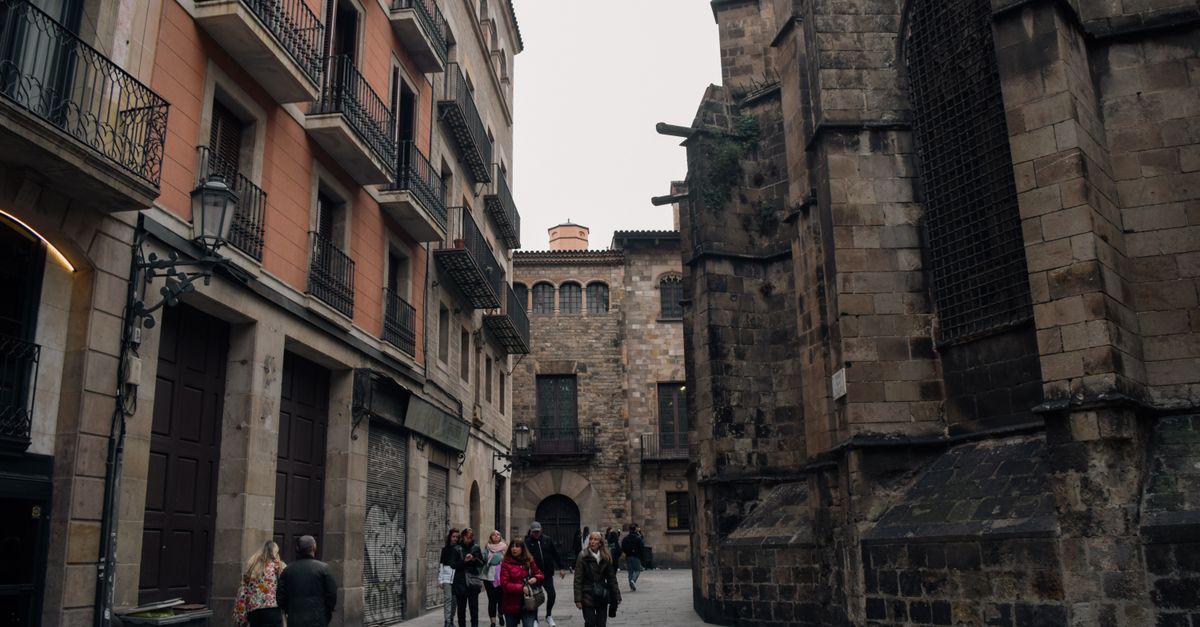
Morning: the Gothic Quarter, early, before the streets fill. The cathedral, the Plaça del Rei, the Roman wall fragments, and the lanes that are genuinely medieval rather than nineteenth century reconstructions, which several of the most photographed ones are.
Late morning: El Born. Santa Maria del Mar, which is the better church of the two and takes twenty minutes, and the Picasso Museum if you book it.
Afternoon: the Born market building, then down to Barceloneta and the sea. The beach is artificial, created for the 1992 Olympics, and it is a perfectly good beach.
Walk the seafront north towards the Fòrum rather than staying in Barceloneta, where the restaurants on the front are priced for people who have just got off the beach.
Evening: back into El Born or the Sant Antoni area for dinner.
Day 3: a neighbourhood and a market
Morning: Gràcia. It was a separate town until 1897 and it still behaves like one: small squares, low buildings, independent shops, and the place Barcelona lives when it is not being looked at. Have breakfast in Plaça de la Vila or Plaça del Sol.
Late morning: Sant Antoni market, or Santa Caterina in the old city. Not La Boqueria, which is now largely fruit cups and photographs, and which locals stopped shopping in some time ago.
Afternoon: Montjuïc. The Fundació Joan Miró, the MNAC in the national palace, the gardens, and the cable car if the queue is short. This is the half of Barcelona that most three-day itineraries drop and it is the half with the space in it.
Evening: Poble-sec, below Montjuïc, where Carrer de Blai is a pedestrian street of pintxos bars charging by the stick.
What a room actually costs
Barcelona's accommodation tax rose again on 1 April 2026, and it is now among the highest in Spain:
| Per person, per night | |
|---|---|
| Five-star | about €12 |
| Four-star | about €8.40 |
| Short-term rental | about €9.50 |
Two adults for three nights in a four-star is about €50, and it is usually collected at the property rather than shown in your booking total. It is not a reason to go somewhere else. It is a reason not to be surprised at the desk. Where to stay in Barcelona has the neighbourhoods, and where to stay in Seville is the comparison: same country, no tax at all.
Short tourist stays only. Checked 21 Aug 2026; rules change without notice and the government page is the source of truth.
Check your own passport →Checked 21 Aug 2026.
Everything we check for Spain →What to skip
La Boqueria as a meal. Sant Antoni and Santa Caterina are markets. La Boqueria is a photograph.
Casa Batlló and La Pedrera in the same afternoon. Pick one.
Las Ramblas, as anything other than a route. Walk down it once, at speed, and eat one street either side.
Buying Sagrada Família tickets from a reseller. The official site is cheaper and it is the one that actually holds your slot.
A day trip to Montserrat on a three day trip. It is half a day at minimum and usually most of one, and it will cost you Gràcia and Montjuïc.
Paella on the seafront at Barceloneta with a photograph of it outside. Paella is Valencian, the good version in Barcelona is booked and made to order, and the version with the picture is frozen.
Before you book
Where to stay in Barcelona is the area breakdown, and Spain in 10 days puts Barcelona into the longer route with the three competing railway operators that get you to Madrid for under €20. Where to stay in Madrid and where to stay in Seville cover the next two stops, where to stay in Milan is the other Mediterranean city with a tax story this year, and underrated European cities has where to go when Barcelona is too full.
The Barcelona city guide and the Spain country guide carry the practicalities, and there is more in the itineraries hub. When you are ready, Barcelona rooms are here and the bookable half is here.
Ticket prices, the centenary surcharge and the tax rates checked September 2026. Barcelona's accommodation tax changed in April and the basilica's pricing changed in June, so Park Güell's own booking site and the basilica's are better sources for your dates than any guide, this one included. Here is how we research and re-check guides.