Zagreb
An Austro-Hungarian city that most people change trains in. Café culture as a full-time occupation, and a museum about breakups.
Zagreb in eight slides
Wikipedia · 3 Sep 2026


Things to do in Zagreb
Where to stay in Zagreb
Zagreb in a day, two days, three
Landmarks in Zagreb

Ban Jelačić Square is the central square of the city of Zagreb, Croatia, named after ban Josip Jelačić. Its official name is Trg bana Josipa Jelačića and is colloquially called 'Jelačić plac'.
Wikipedia · CC BY-SA 4.0 · 30 Jul 2026
Roberta F. · CC BY-SA 3.0

Dolac is a farmers' market located in Gornji Grad - Medveščak city district of Zagreb, Croatia. Dolac is the most visited and the best-known farmer's market in Zagreb, well known for its combination of traditional open market with iconic red umbrella stalls and a sheltered market below. It is located above Ban Jelačić Square, between the oldest parts of Zagreb, Gradec and Kaptol.
Wikipedia · CC BY-SA 4.0 · 2 Jul 2026
Rilegator · CC BY-SA 4.0

The Mirogoj City Cemetery, also known as Mirogoj Cemetery, is a cemetery park that is considered to be among the more noteworthy landmarks in the city of Zagreb. The cemetery inters members of all religious groups: Catholic, Orthodox, Muslim, Jewish, Protestant, Latter Day Saints; irreligious graves can all be found. In the arcades are the last resting places of many famous Croats.
Wikipedia · CC BY-SA 4.0 · 13 Apr 2026
Fred Romero from Paris, France · CC BY 2.0

The Museum of Broken Relationships is a museum in Zagreb, Croatia, founded by artists Olinka Vištica and Dražen Grubišić. It grew from a traveling exhibition revolving around the concept of failed relationships and their ruins. The museum features a diverse collection of objects, each representing a personal story of a past relationship, contributing to a broader narrative of human emotional experiences.
Wikipedia · CC BY-SA 4.0 · 9 Jul 2026
Unknown author · Public domain

The Church of St. Mark is the parish church of old Zagreb, located in St. Mark's Square in the Upper Town. It is one of the oldest architectural monuments in Zagreb. The most distinctive feature of the church is its medieval architecture and the colorful tiled roof featuring the coat of arms of Croatia, Dalmatia, and Slavonia, as well as the emblem of the city of Zagreb.
Wikipedia · CC BY-SA 4.0 · 27 May 2026
Jorge Franganillo · CC BY 2.0

The Zagreb Cathedral, is a Catholic cathedral in Kaptol, Zagreb. It is the tallest sacral building in Croatia and the most monumental sacral building of Gothic architecture southeast of the Alps.
Wikipedia · CC BY-SA 4.0 · 11 Aug 2026
Bernard Gagnon · CC BY-SA 4.0
Ban Jelačić Square is the central square of the city of Zagreb, Croatia, named after ban Josip Jelačić. Its official name is Trg bana Josipa Jelačića and is colloquially called 'Jelačić plac'.
Wikipedia · CC BY-SA 4.0 · 30 Jul 2026
Roberta F. · CC BY-SA 3.0
Dolac is a farmers' market located in Gornji Grad - Medveščak city district of Zagreb, Croatia. Dolac is the most visited and the best-known farmer's market in Zagreb, well known for its combination of traditional open market with iconic red umbrella stalls and a sheltered market below. It is located above Ban Jelačić Square, between the oldest parts of Zagreb, Gradec and Kaptol.
Wikipedia · CC BY-SA 4.0 · 2 Jul 2026
Rilegator · CC BY-SA 4.0
The Mirogoj City Cemetery, also known as Mirogoj Cemetery, is a cemetery park that is considered to be among the more noteworthy landmarks in the city of Zagreb. The cemetery inters members of all religious groups: Catholic, Orthodox, Muslim, Jewish, Protestant, Latter Day Saints; irreligious graves can all be found. In the arcades are the last resting places of many famous Croats.
Wikipedia · CC BY-SA 4.0 · 13 Apr 2026
Fred Romero from Paris, France · CC BY 2.0
The Museum of Broken Relationships is a museum in Zagreb, Croatia, founded by artists Olinka Vištica and Dražen Grubišić. It grew from a traveling exhibition revolving around the concept of failed relationships and their ruins. The museum features a diverse collection of objects, each representing a personal story of a past relationship, contributing to a broader narrative of human emotional experiences.
Wikipedia · CC BY-SA 4.0 · 9 Jul 2026
Unknown author · Public domain
The Church of St. Mark is the parish church of old Zagreb, located in St. Mark's Square in the Upper Town. It is one of the oldest architectural monuments in Zagreb. The most distinctive feature of the church is its medieval architecture and the colorful tiled roof featuring the coat of arms of Croatia, Dalmatia, and Slavonia, as well as the emblem of the city of Zagreb.
Wikipedia · CC BY-SA 4.0 · 27 May 2026
Jorge Franganillo · CC BY 2.0
The Zagreb Cathedral, is a Catholic cathedral in Kaptol, Zagreb. It is the tallest sacral building in Croatia and the most monumental sacral building of Gothic architecture southeast of the Alps.
Wikipedia · CC BY-SA 4.0 · 11 Aug 2026
Bernard Gagnon · CC BY-SA 4.0
From the airport
When to go to Zagreb: May or Jun or Sep or Oct
Guides about Zagreb
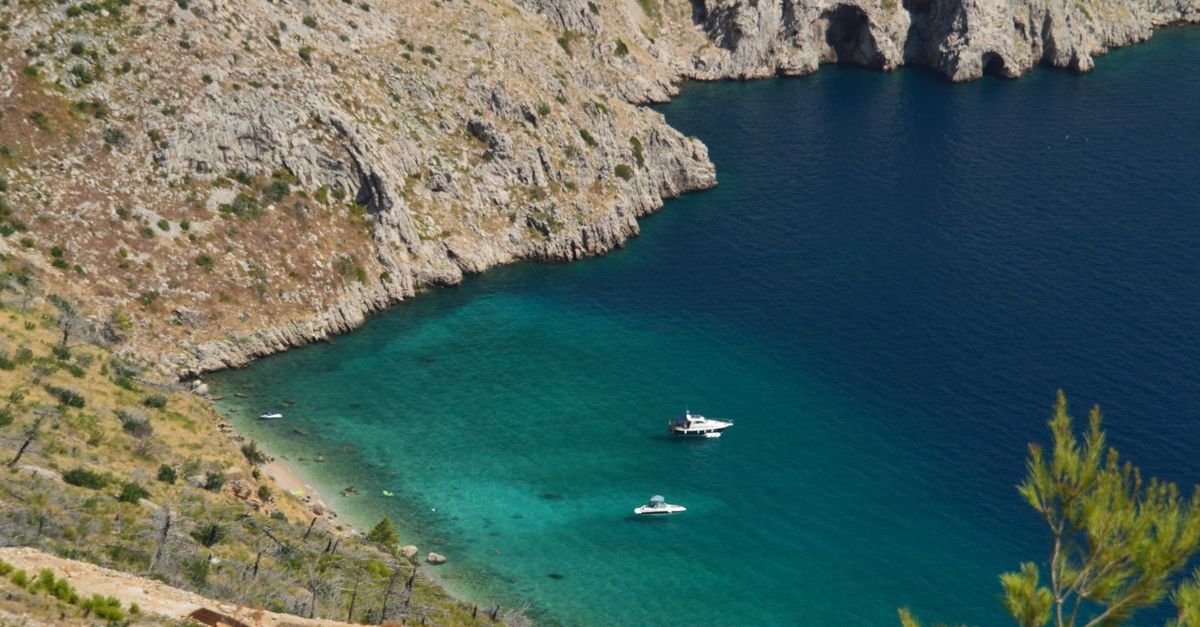
The best time to visit Croatia by month, with the coastal catamaran season that runs April to October and the park pricing that quadruples in summer.
Josefin Bakke · 4 Sep 2026
The threshold is EUR 3,622.50 a month in 2026 and it is recalculated every year, which no other guide explains. The steps, the tax rule, and the catch.
Tobi Adeyemi · 2 Sep 2026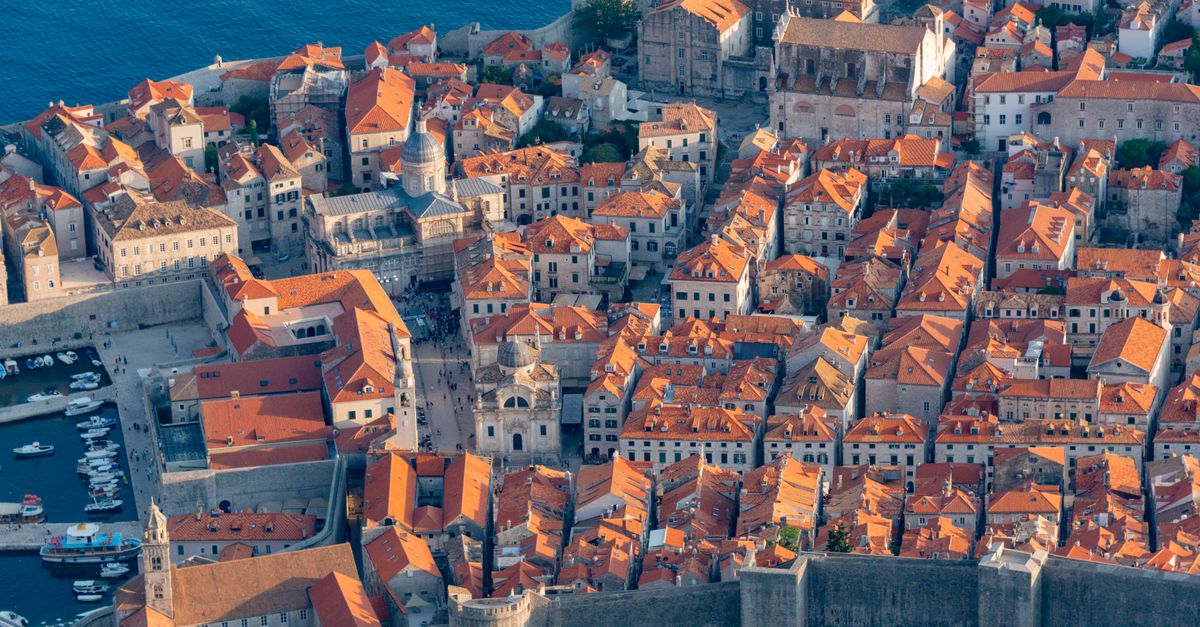
Zagreb, Plitvice, Split and Dubrovnik in a week. The catamaran that stops in October, the hourly cap at Plitvice, and the bridge that removed a border.
Josefin Bakke · 2 Sep 2026
Both have islands and old towns. They differ on ferries, driving and how long the season runs. Six rounds, the tax nobody mentions, and who wins.
Josefin Bakke · 2 Sep 2026