Jeju
A volcanic island Koreans fly to instead of going abroad. Lava tubes, a crater you climb for sunrise, and women who free-dive into their eighties.
Jeju in eight slides
Wikipedia · 3 Sep 2026


Things to do in Jeju
Where to stay in Jeju
Jeju in a day, two days, three
Landmarks in Jeju

Cheonjiyeon Waterfall (Korean: 천지연폭포) is a waterfall on Jeju Island, South Korea. It is 22 m (72 ft) high and 12 m (39 ft) wide. It is one of the main tourist attractions on Jeju, particularly when they are illuminated at night time.
Wikipedia · CC BY-SA 4.0 · 2 Jul 2026
Martin Chen · CC BY 2.0

Hallasan (Korean: 한라산) is a shield volcano comprising much of Jeju Island in South Korea. Its summit, at 1,947 m (6,388 ft), is the highest point in the country. The area around the mountain is a designated national park, named Hallasan National Park.
Wikipedia · CC BY-SA 4.0 · 18 Aug 2026
LG전자 · CC BY 2.0

Jeongbang Waterfall (Korean: 정방폭포) is a waterfall and popular tourist attraction located in Seogwipo, Jeju Province, South Korea. The waterfall is 23 m (75 ft) high and is very close to the ocean. Depending on the level of recent rainfall, it can be up 8 m (26 ft) wide.
Wikipedia · CC BY-SA 4.0 · 30 Nov 2025
Shane Porter EssPea · CC BY-SA 3.0

Manjanggul (Korean: 만장굴) is a lava tube located in Gimnyeong-ri, Gujwaeup, Jeju City, South Korea. At up to 23 metres (75 ft) wide, 30 metres (98 ft) high and 8.928 km long, it is the 12th-longest lava tube in the world and the second longest on Jeju Island. It is the only cave of the Geomunoreum Lava Tube System, considered one of the finest lava tube systems in the world.
Wikipedia · CC BY-SA 4.0 · 1 Sep 2026
AhmadElq · CC BY-SA 4.0

Seongeup Folk Village (Korean: 성읍민속마을) is a traditional Korean folk village in Pyoseon-myeon, Seogwipo, Jeju Province, South Korea. It has been continually inhabited for around 600 years, since the 15th century, and is maintained to resemble its traditional pre-modern form.
Wikipedia · CC BY-SA 4.0 · 1 May 2026
Trainholic · CC BY-SA 4.0

Seongsan Ilchulbong (Korean: 성산일출봉), also called Sunrise Peak, is a volcano on eastern Jeju Island, in Seongsan-ri, Seogwipo, Jeju Province, South Korea. It is 182 meters high and has a volcanic crater at the top.
Wikipedia · CC BY-SA 4.0 · 25 May 2026
Korea.net / Korean Culture and Information Service · CC BY-SA 2.0
Cheonjiyeon Waterfall (Korean: 천지연폭포) is a waterfall on Jeju Island, South Korea. It is 22 m (72 ft) high and 12 m (39 ft) wide. It is one of the main tourist attractions on Jeju, particularly when they are illuminated at night time.
Wikipedia · CC BY-SA 4.0 · 2 Jul 2026
Martin Chen · CC BY 2.0
Hallasan (Korean: 한라산) is a shield volcano comprising much of Jeju Island in South Korea. Its summit, at 1,947 m (6,388 ft), is the highest point in the country. The area around the mountain is a designated national park, named Hallasan National Park.
Wikipedia · CC BY-SA 4.0 · 18 Aug 2026
LG전자 · CC BY 2.0
Jeongbang Waterfall (Korean: 정방폭포) is a waterfall and popular tourist attraction located in Seogwipo, Jeju Province, South Korea. The waterfall is 23 m (75 ft) high and is very close to the ocean. Depending on the level of recent rainfall, it can be up 8 m (26 ft) wide.
Wikipedia · CC BY-SA 4.0 · 30 Nov 2025
Shane Porter EssPea · CC BY-SA 3.0
Manjanggul (Korean: 만장굴) is a lava tube located in Gimnyeong-ri, Gujwaeup, Jeju City, South Korea. At up to 23 metres (75 ft) wide, 30 metres (98 ft) high and 8.928 km long, it is the 12th-longest lava tube in the world and the second longest on Jeju Island. It is the only cave of the Geomunoreum Lava Tube System, considered one of the finest lava tube systems in the world.
Wikipedia · CC BY-SA 4.0 · 1 Sep 2026
AhmadElq · CC BY-SA 4.0
Seongeup Folk Village (Korean: 성읍민속마을) is a traditional Korean folk village in Pyoseon-myeon, Seogwipo, Jeju Province, South Korea. It has been continually inhabited for around 600 years, since the 15th century, and is maintained to resemble its traditional pre-modern form.
Wikipedia · CC BY-SA 4.0 · 1 May 2026
Trainholic · CC BY-SA 4.0
Seongsan Ilchulbong (Korean: 성산일출봉), also called Sunrise Peak, is a volcano on eastern Jeju Island, in Seongsan-ri, Seogwipo, Jeju Province, South Korea. It is 182 meters high and has a volcanic crater at the top.
Wikipedia · CC BY-SA 4.0 · 25 May 2026
Korea.net / Korean Culture and Information Service · CC BY-SA 2.0
From the airport
When to go to Jeju: Apr or May or Jun or Sep or Oct
Guides about Jeju

The best time to visit South Korea by month, with the blossom that lasts ten days, the rainy season that drops a quarter of Seoul's rain, and autumn's peak.
Rina Matsuda · 4 Sep 2026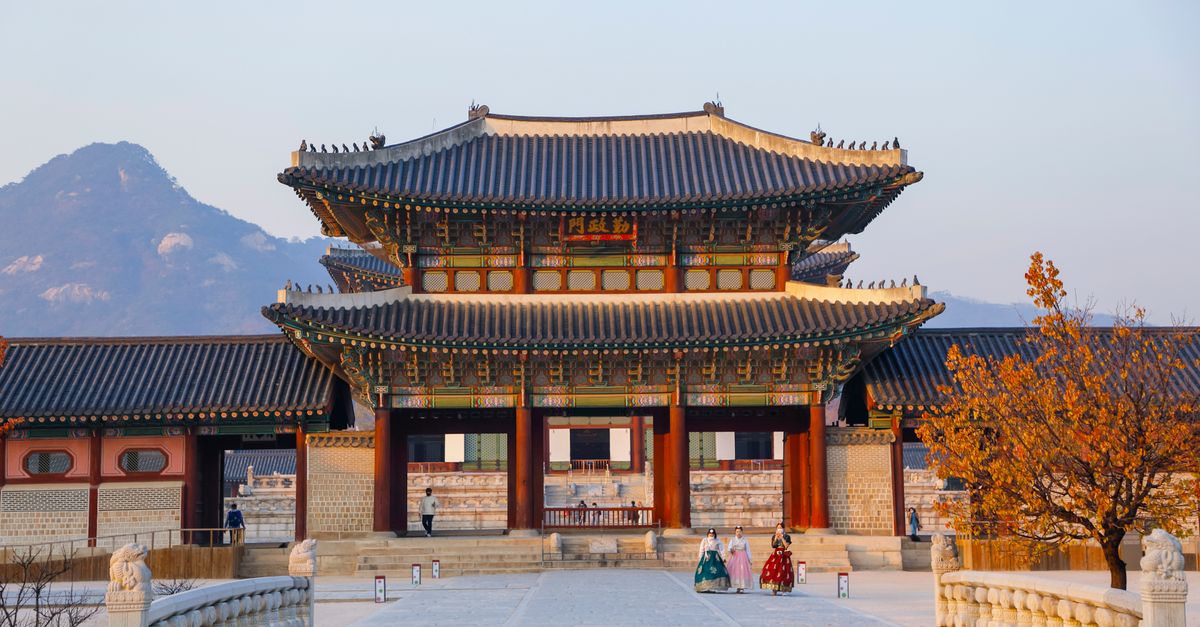
Four days in Seoul across the palaces, the hills and the river, with the transit pass arithmetic and the entry waiver that expires this December.
Rina Matsuda · 3 Sep 2026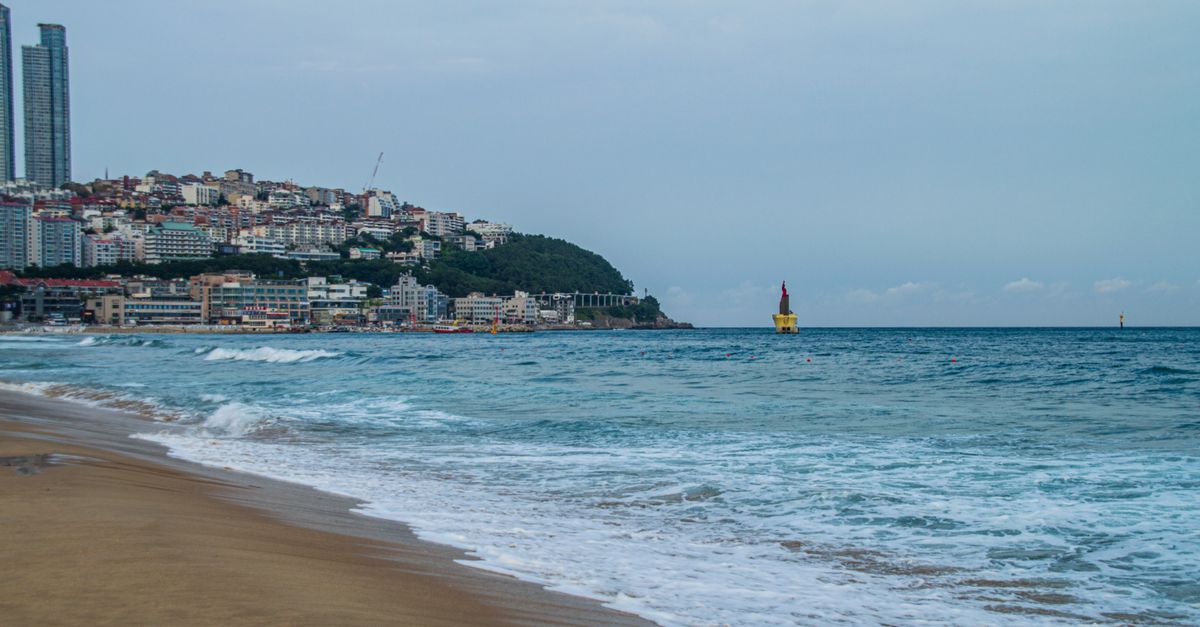
Korea is easier than Japan and less signposted, and two admin details decide the trip. The card, the entry rule, the route, and what a day actually costs.
Rina Matsuda · 2 Sep 2026
Tokyo is deeper and Seoul is cheaper and faster, and the deciding round is what you want a city to feel like. Six rounds, a winner each, and the both option.
Rina Matsuda · 2 Sep 2026