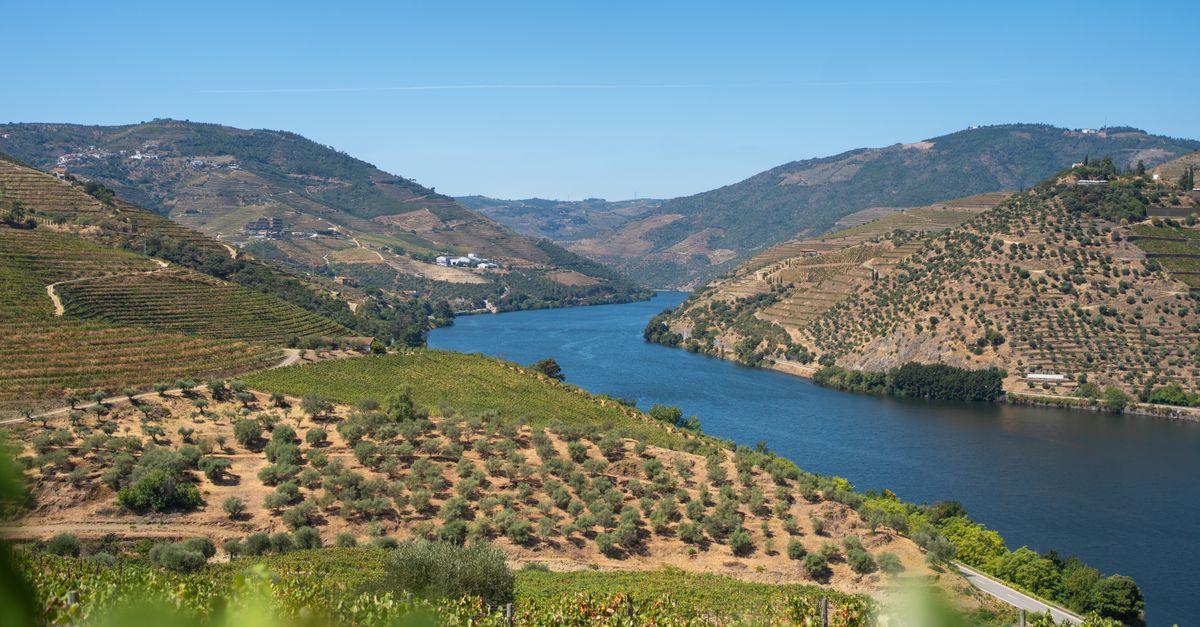
The Algarve, town by town
The Algarve is three coasts with different weather and crowds. Seven towns, who each one suits, the two we would skip, and why the west wins in August.
Photo · Jeffrey Eisen · Pexels
The Algarve gets treated as one place and it is three, with different weather, different water and completely different crowds.
The east, from Faro to the Spanish border: sandbar islands, warm shallow water, and towns that still work as towns.
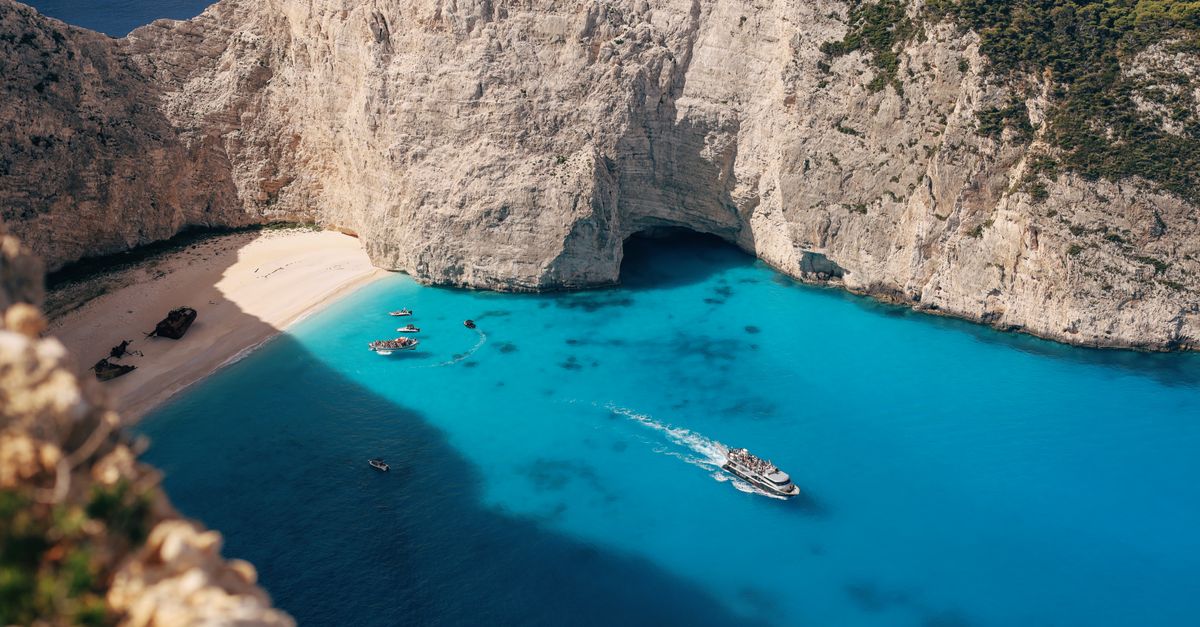
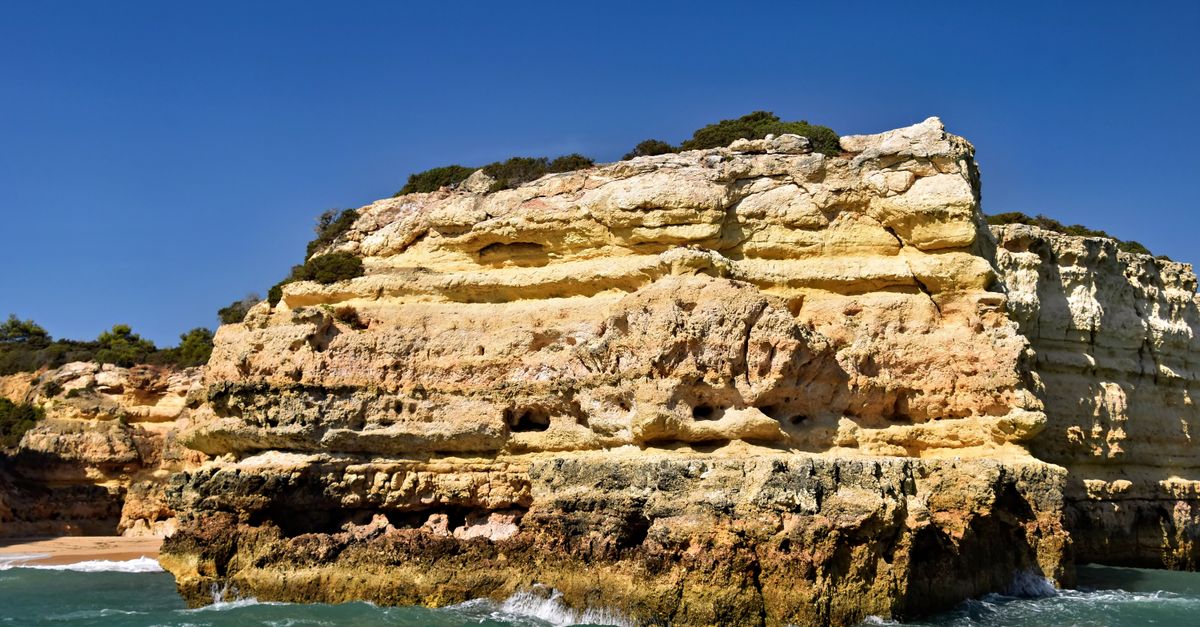
The centre, Albufeira to Lagos: the cliffs and coves in the photographs, and the resort infrastructure that came with them.
The west, past Sagres and up the Atlantic coast: wind, surf, cliffs and almost nobody.
Pick the coast first. The town follows from it.
First, the thing we cannot show you
Portugal has Lisbon, Porto, Braga and Funchal in our catalogue and no Algarve town at all. So this guide has no room shelves for anywhere in it, and we are not going to substitute Lisbon and pretend, because Lisbon is a three-hour drive from Tavira.
What we can do is tell you which town, which is the part that actually decides the trip. Our Portugal route has the driving times from the north, and the Portuguese calendar has the season.
Euro. Convert any figure on this page into your own currency at today's published rate.
Open the currency converter →The seven
1. Tavira, and this is the answer for most people
A real town. A Roman bridge, a castle, a working market, a river running through it, and thirty-seven churches, none of which exist for visitors.
The beaches are on Ilha de Tavira, a barrier island reached by a short ferry, which means shallow, sheltered, warm water and a long walk of clean sand rather than a cove with stairs.
Who it suits: almost everyone, and particularly families and anyone who wants a town rather than a resort.
The catch: no cliffs. If the photographs that sold you the Algarve were of gold rock arches, they were taken sixty kilometres west.
2. Lagos, for the cliffs and the evening
The best base in the centre. Ponta da Piedade is the cliff formation everyone comes for, the old town inside the walls is genuinely pretty, and it has the only nightlife on the coast that is not a chain bar.
Meia Praia is a long flat beach for actual swimming, and the cove beaches are five minutes the other way.
The catch: it is busy from June, and the stag and hen trade has arrived in parts of the old town.
3. Sagres and the west, for the emptiness
The end of Europe, and it feels like it. Cliffs, a fort on a headland, and the best surf on the mainland.
The wind is the whole story. The Atlantic coast north of Sagres is windy almost every day, which makes it uncomfortable for a beach holiday and perfect for surfing and walking.
Who it suits: surfers, walkers, and anyone visiting in August, because this is the only stretch of the Algarve that is not full.
4. Alvor, for families who want the centre
A fishing village that grew, with a lagoon, a boardwalk through the salt marshes, and calm shallow water on a long beach.
Who it suits: families who want the central coast's convenience without the cliff-stair problem.
The catch: the town itself is pleasant rather than remarkable.
5. Olhão, for the food
The Algarve's biggest fishing port and its best market, in two brick halls on the waterfront, and a town almost entirely undiscovered by visitors who drive past it on the way to Faro airport.
The islands off it, Armona and Culatra, are the quietest beaches in the east and are twenty minutes by ferry.
The catch: the town is workmanlike rather than pretty. Come for the food and the boat.
6. Carvoeiro, if you want the postcard
Small, steep, whitewashed, wrapped around a cove, and the closest base to Praia da Marinha, which is the best single beach on the coast and one of the best in Europe. Our European beaches guide explains why it earns that.
The catch: it is small and it fills completely. In August the cove beach is full by ten in the morning.
7. Faro, which nobody stays in and probably should
Everybody flies into Faro and drives away from it, which is why the walled old town is empty on an evening in July.
It has the Ria Formosa lagoon on its doorstep, a bone chapel, a proper student population and normal Portuguese prices.
Who it suits: a first or last night, and anyone who wants the east coast without a car.
The two we would skip
Albufeira's Strip. The old town has survived and is fine. The Strip, up the hill, is a full-volume British and Irish resort district that could be anywhere in the Mediterranean, and the beaches below it are the most crowded on the coast.
Vilamoura. A purpose-built marina development with a golf economy attached. It is well run and it has no relationship to Portugal whatsoever. If that is the holiday you want, it is a good version of it, and it is not a reason to come to the Algarve.
The month, which changes everything
September is the best month. The sea is at its warmest of the year, the crowds thin from the first week, and the rates fall. Our September guide explains why that holds across southern Europe.
May and June are excellent, with a cooler sea and long light.
August is the one month the Algarve stops being good value. It is hot, it is full, the central strip is at maximum density and the room rates are several times the September equivalent. If your dates are fixed in August, go west, where the wind keeps the crowds off.
April and October are for walking the coastal paths rather than swimming. The Via Algarviana and the Rota Vicentina are both at their best then, and the Portuguese calendar has the detail.
Getting around
You need a car for anything except a single-town stay in Tavira, Lagos or Faro. The coastal train from Lagos to Vila Real is slow, scenic and useful, and it does not reach the beaches.
The A22 motorway is tolled electronically with no toll booths, so a hire car needs a transponder or a registered plate. The road operator explains the options for foreign-registered and hire vehicles. Arrange it at the desk, because the alternative is a fine that arrives months later.
Checked 21 Aug 2026.
Everything we check for Portugal →Short tourist stays only. Checked 21 Aug 2026; rules change without notice and the government page is the source of truth.
Check your own passport →Before you book
The Portuguese calendar decides the month, and the ten-day route shows where the Algarve fits into the country.
Lisbon or Porto settles the northern half of a Portugal trip, and Europe's best beaches puts Praia da Marinha in context.
The best of hub collects the rest and the Portugal country page has the practical layer.
Regional detail and seasonal patterns checked September 2026 against Visit Algarve, the regional tourism board and Visit Portugal. Beach access, toll arrangements and ferry timetables to the barrier islands change seasonally, so confirm before you drive. Here is how we research and re-check guides.