Where to stay in Queenstown
Central Queenstown is walkable and priced for it, and Frankton is ten minutes cheaper. Five areas, the levy you pay before arriving, and the season trap.
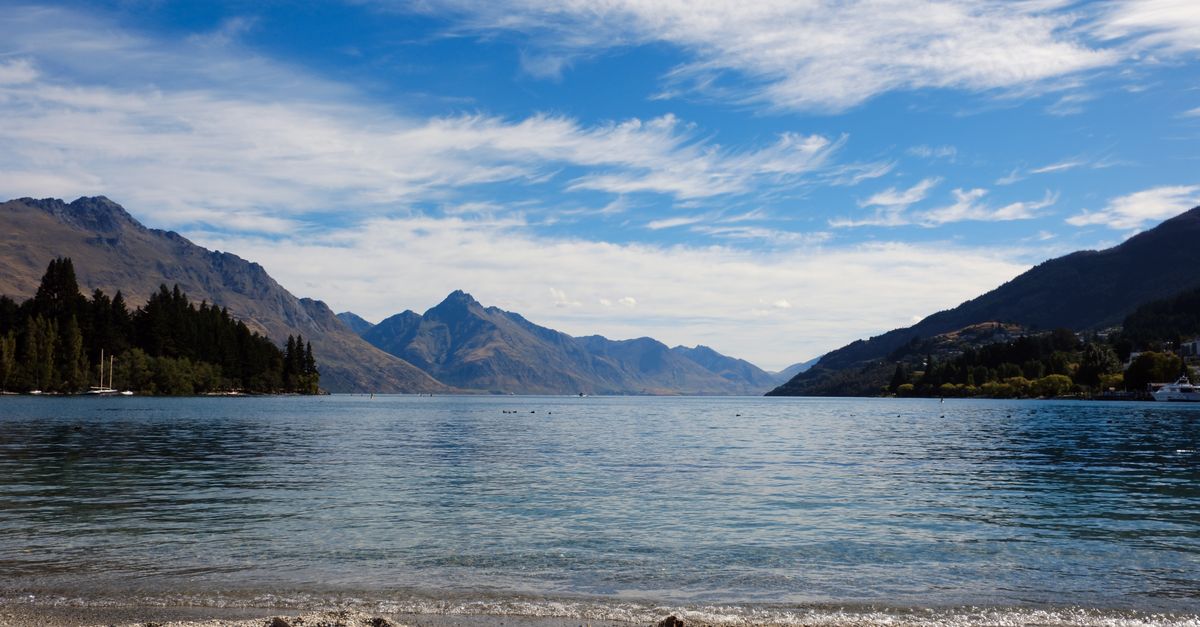
Photo · Azizi Co · Pexels
Queenstown is small, expensive and beautiful, and the accommodation decision comes down to one question: are you walking or driving?
Central Queenstown if you want to walk out to dinner and the lake, and you will pay for it. Frankton if you have a car, ten minutes away and consistently cheaper. Arrowtown if you want the pretty version. Out towards Glenorchy if the point is the quiet.
New Zealand dollar. Convert any figure on this page into your own currency at today's published rate.
Open the currency converter →The levy you pay before you arrive
Most international visitors pay New Zealand's International Visitor Conservation and Tourism Levy, and it went up sharply: from NZ$35 to NZ$100 per person on 1 October 2024. The ministry publishes the rules and the exemptions.
Two things people get wrong about it:
- It is paid with your NZeTA or visa application before you travel, not on
arrival, so it is easy to miss when budgeting.
- It is separate from the NZeTA fee, which is charged on top.
For a family of four that is NZ$400 before anybody has booked anything, which is worth having in the number rather than discovering at the application.
The five areas
1. Central Queenstown, for walking
Who it suits: first visits, short trips, anyone without a car, anyone who wants to be out in the evening.
What it costs: the top of the local market.
Why it works: the town centre is genuinely tiny. The lakefront, the gondola, the restaurants and the tour pick-up points are all within ten minutes on foot, and almost every activity operator collects from here.
The catch: the price, and the noise. Queenstown's centre has a serious bar scene and a hen-and-stag trade, and the streets around The Mall are loud on a Friday.
2. Frankton, for the same trip cheaper
Who it suits: anyone with a car, families, longer stays.
What it costs: consistently below the centre for the same standard.
Why it works: it is ten minutes from town, next to the airport, and it has the supermarket and the retail park, which matters more than it sounds when everything in the centre is priced for visitors. Self-catering here is the single biggest saving available on a Queenstown trip.
The catch: there is nothing to walk to in the evening, and the bus into town finishes earlier than the bars do.
3. Fernhill and Sunshine Bay, for the view
Who it suits: couples, anyone who wants the lake and the Remarkables from the window.
What it costs: varies widely, and the apartments with a view are the reason to be here.
Why it works: five minutes west of the centre, up the hill, with the best views of any accommodation area.
The catch: it is up a hill. Walking back from town is a genuine climb, and in winter the road can be icy.
4. Arrowtown, for the prettier version
Who it suits: couples, second visits, anyone who wants a village rather than a resort town.
What it costs: comparable to central Queenstown, with fewer options.
Why it works: a preserved gold-rush village twenty minutes away, with the best autumn colour in the country in April and a genuinely good main street.
The catch: you need a car, and the evening is quiet.
5. Towards Glenorchy, for the quiet
Who it suits: anyone staying a week, walkers, anyone who has done the town.
What it costs: a wide range, and the lodges are the point.
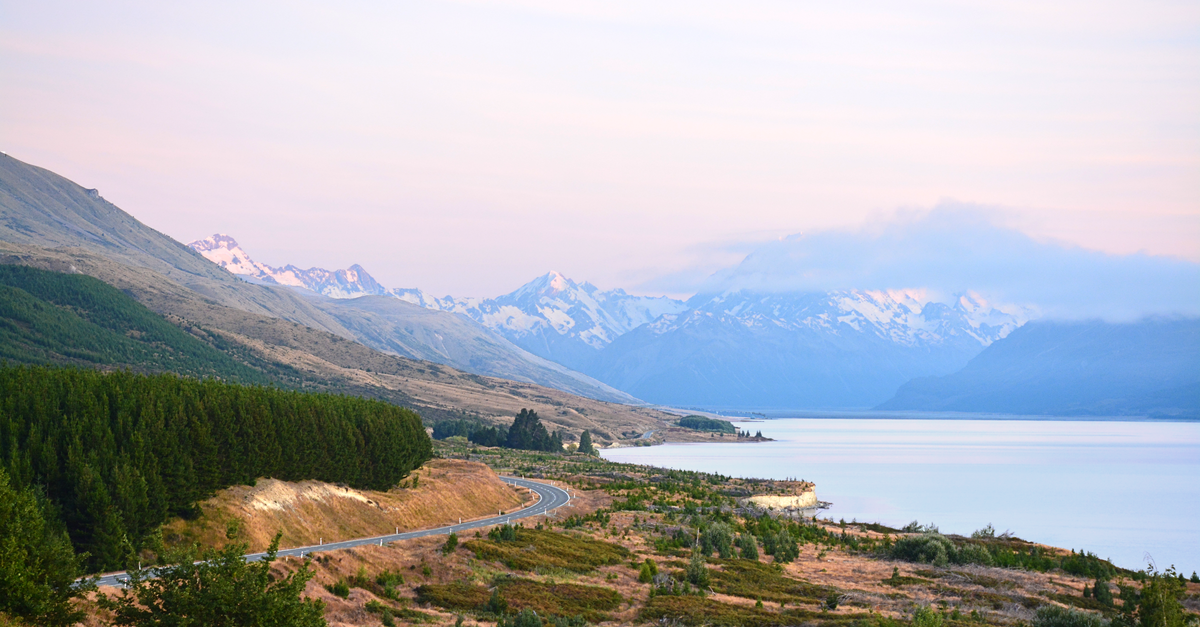
Why it works: the road along Lake Wakatipu is one of the best drives in the country, and Glenorchy sits at the head of the lake with the Routeburn and Rees valleys behind it.
The catch: 45 minutes each way on a road you would not want to drive tired.
The season trap
Queenstown has two high seasons and two shoulders, and the shoulders are short.
Ski season, roughly June to early October, is the winter peak. Coronet Peak, The Remarkables, Cardrona and Treble Cone.
Summer, roughly December to March, is the other peak: hiking, the lake, Milford, and the Australian and northern-hemisphere holidays overlapping.
The value windows are late April to early June and October to mid-November. Both have good weather and thin crowds.
The catch in both: operators close for the changeover. Some lifts, some tracks and some restaurants shut for a few weeks either side, so check the specific thing you came for. The New Zealand calendar has the wider picture.
One date to know: the Milford Road can close at short notice for avalanche control in winter, and it is the only road in. If Milford is the point of the trip, build a spare day.
Where not to stay
Not in Wanaka, if Queenstown is the trip. It is an hour over the Crown Range and it is a genuinely lovely town in its own right, and the pass is not a road to drive twice a day in winter.
Not more than about twenty minutes out unless you are deliberately going rural. Queenstown's appeal is dense and the drive back at eleven at night on unlit roads is the part nobody factors in.
And book far ahead in both peaks. This is a small town with fixed capacity and two seasons that fill it completely.
What actually costs money here
Accommodation is the largest line by a distance, and Frankton plus self-catering is the lever.
The activities are the second. Bungy, jet boat, skydive, Milford day trip and lift passes are all priced as a resort town prices them, and the sum of "one of each" is substantial.
Our honest call: pick two. The Queenstown trip that does six adventure activities is a trip that spends its whole budget on adrenaline and never walks the Ben Lomond track, which is free and better than most of them.
Checked 21 Aug 2026.
Everything we check for New Zealand →Short tourist stays only. Checked 21 Aug 2026; rules change without notice and the government page is the source of truth.
Check your own passport →Before you book
Queenstown with kids has the family version, and the South Island road trip shows where the town sits in a wider route.
The New Zealand calendar decides the season, which here means choosing between two completely different trips.
The where to stay hub collects the rest and the New Zealand country page has the practical layer.
The visitor levy and its payment point checked September 2026 against the Ministry of Business, Innovation and Employment and Immigration New Zealand. Some visitor categories are exempt from the levy, so check your own case rather than assuming. Here is how we research and re-check guides.