What to pack for New Zealand
New Zealand's weather changes faster than anywhere and the UV is among the world's harshest. The layer system, the sun rule, and the biosecurity trap.
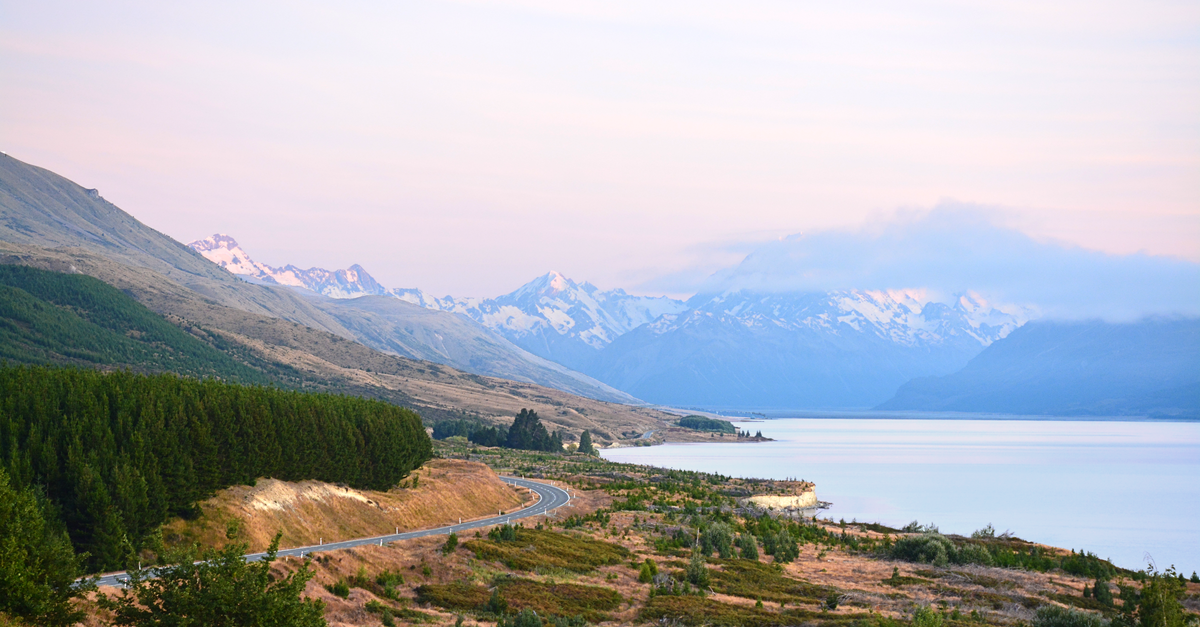
Photo · Bhima Danniswara · Pexels
Two things make New Zealand different to pack for, and neither is the temperature.
The weather changes faster than almost anywhere, which is why "four seasons in one day" is a national phrase rather than a joke.
And the sun is among the harshest on earth.
New Zealand dollar. Convert any figure on this page into your own currency at today's published rate.
Open the currency converter →The layer system, which is the whole list
Three layers, in every season, on every day you leave a town.
1. A base layer. Merino if you can, because it is what the country runs on and it does not smell after three days. Synthetic if not. Not cotton, which holds water and gets cold.
2. A warm mid layer. A fleece or a light down jacket.
3. A genuinely waterproof shell. Not showerproof. The West Coast of the South Island is one of the wettest inhabited places on earth and a day on any trail can turn in an hour.
A cheap poncho is fine for a city and is not adequate for a mountain walk here, and that distinction has consequences.
The sun, which people consistently underestimate
New Zealand's UV is among the harshest anywhere. The ozone layer is thinner over the region and the air is exceptionally clear, so burn times are much shorter than at comparable latitudes in Europe.
What that means practically:
- High-factor sunscreen, applied properly and reapplied.
- A hat with a brim, not a cap.
- Sunglasses, genuinely, because the glare off water and snow is intense.
- A long-sleeved sun shirt for a day on the water.
And it applies on cloudy days and in winter, which is the part people ignore. New Zealand's own cancer society publishes the burn times, and they are shorter than most visitors expect.
The biosecurity rule, which catches people at the airport
New Zealand runs some of the strictest biosecurity in the world, and the fines are substantial and issued on the spot.
Declare or do not bring:
- Food of any kind. Including the apple in your bag and the snacks from the
plane.
- Plant material, wooden items, seeds.
- Outdoor equipment carrying soil.
Clean your hiking boots thoroughly before you fly. This is the specific one that catches walkers: boots with dried mud on them will be inspected and cleaned, which takes time, and undeclared they are a fine.
Tents, walking poles and fishing gear all get inspected. Declaring costs nothing and takes a few minutes.
The list
Clothes
- 2 merino base layers
- 1 fleece or light down jacket
- 1 waterproof shell, hooded
- Walking trousers, and one other pair
- 2 to 3 t-shirts
- Swimming costume, for the lakes, the coast and the hot pools
- Warm hat and gloves for the South Island, in any season above sea level
- A brimmed sun hat
Feet
- Walking shoes or boots, worn in and cleaned before you fly
- Trainers or sandals for towns
- Wool socks
Practical
- Sunscreen, high factor, and more than you think
- Insect repellent for the sandflies, which are the West Coast's actual defining
feature and which our South Island road trip guide mentions for good reason
- A dry bag
- A power adapter, because New Zealand uses the Australian plug type
- A reusable water bottle, because the tap water is excellent everywhere
By season
Summer, December to February. Warm, long days, and still take the shell. The South Island alpine areas are cold at altitude in any month.
Autumn, March to May. The best month for a lot of people, and April in Central Otago has the best colour in the country. Add a warmer mid layer.
Winter, June to August. Ski gear if you are skiing, and everything above plus a proper coat. The South Island gets genuinely cold and the North Island stays mild and wet.
Spring, September to November. The most changeable, and the one where the three-layer system earns its place several times a day.
Our New Zealand calendar has the seasons and our Queenstown areas guide has the two-season problem in the south.
What not to bother with
Formal clothes. You will not use them. New Zealand is casual to a degree that surprises visitors from Europe.
A lot of clothing. Laundry is available everywhere, including at almost every holiday park and hostel.
Camping gear, unless you are committed to it. Hiring locally is straightforward, avoids the biosecurity questions, and campervans come equipped.
And a heavy suitcase, if you are driving. A soft bag fits a car boot far better, and our South Island road trip guide is a driving route.
Checked 21 Aug 2026.
Everything we check for New Zealand →The two things to sort before you fly
The visitor levy. Most international visitors pay the IVL, which rose to NZ$100 per person on 1 October 2024 and is paid with your NZeTA before you travel rather than on arrival. Our Queenstown guide has the detail and it is the line families most often forget.
And the NZeTA itself, which is separate and charged on top.
Short tourist stays only. Checked 21 Aug 2026; rules change without notice and the government page is the source of truth.
Check your own passport →Before you book
The South Island road trip is the classic route and the reason for most of this list.
Where to stay in Queenstown and Queenstown or Wanaka cover the base, and the New Zealand calendar decides the season.
The packing hub collects the rest and the New Zealand country page has the practical layer.
Biosecurity rules and UV guidance checked September 2026 against Biosecurity New Zealand and SunSmart New Zealand. Biosecurity penalties are issued on the spot and declaring an item costs nothing, so declare anything you are unsure about. Here is how we research and re-check guides.