Two days in Kraków
Kraków is two days of city and one day that is not sightseeing. The route, why Auschwitz needs its own day, and the free entry people miss.
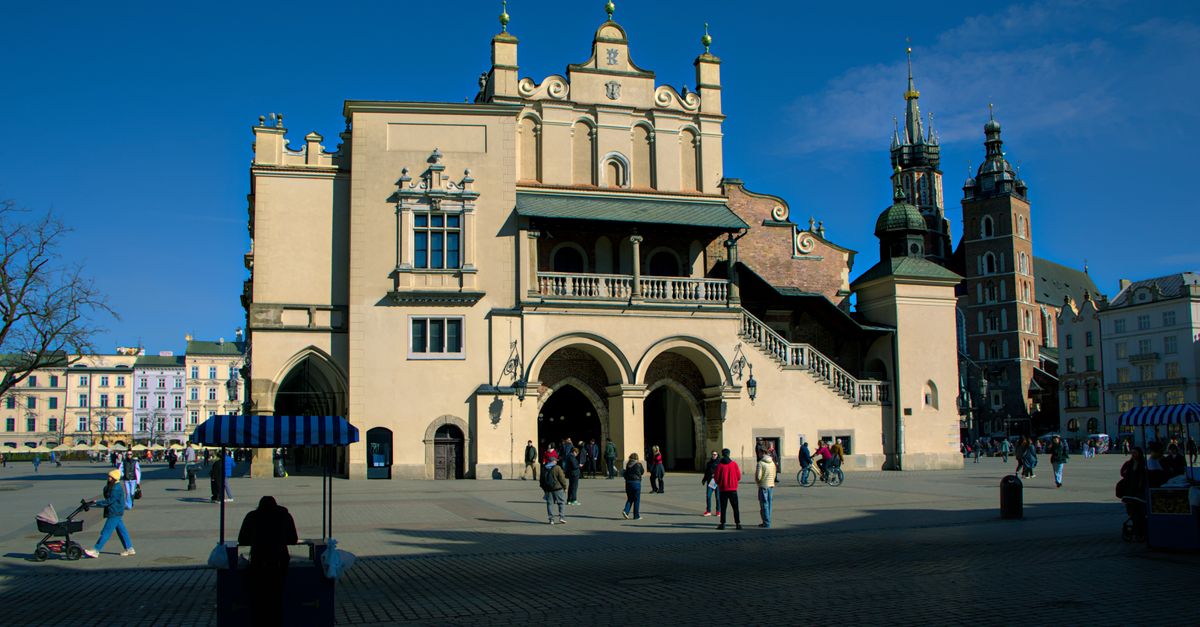
Photo · Dominik Gryzbon · Pexels
Kraków is two days of city and, if you have a third, one day that is not sightseeing at all.
The city fits comfortably into two. The old town and Kazimierz are both walkable and ten minutes apart, and the square is one of the great urban spaces in Europe.
Auschwitz-Birkenau is a separate day and should be treated as one, not appended to an afternoon.
Polish złoty. Convert any figure on this page into your own currency at today's published rate.
Open the currency converter →Day one: the old town and Wawel
Morning: the Rynek Główny. The largest medieval market square in Europe, with the Cloth Hall in the middle of it. Go at eight, when it is empty and the light is on the east side.
The Rynek Underground museum beneath it is the best museum in the city: an excavation of the medieval market under glass, and it is genuinely excellent.
St Mary's Basilica for the Veit Stoss altarpiece, opened each morning at 11.50 with a small ceremony, and the trumpet call from the tower that plays every hour and stops mid-note.
Late morning: walk the Planty, the green ring where the walls were, round to Wawel.
Afternoon: Wawel. The castle and the cathedral on the hill above the Vistula, where Polish kings were crowned and buried. The grounds are free, the individual exhibitions are ticketed separately, and the useful thing to know is that you do not need all of them. The State Rooms and the cathedral are enough.
Evening: the old town for dinner, and Poland's food is much better than its reputation. Pierogi properly made, żurek in a bread bowl, and the milk bars for the cheap version.
Day two: Kazimierz and Podgórze
Morning: Kazimierz, the old Jewish quarter. The Remuh synagogue and its cemetery, the Old Synagogue, Szeroka street, and the flea market at Plac Nowy with the zapiekanki stalls in the round building in the middle.
This is the best part of Kraków and it is where a second day earns its place.
Cross the river to Podgórze in the afternoon. The ghetto was here rather than in Kazimierz, and the Plac Bohaterów Getta with its empty chairs is the memorial. Schindler's Factory is a museum of the occupation of Kraków rather than a film set, and it is very good. Book it, because it uses timed entry and sells out.
Late afternoon: MOCAK, the contemporary art museum next door, or the Vistula riverbank walk.
Evening: Kazimierz again. It has the best bars in Poland, in courtyards and former workshops, and it goes late.
The third day, which is not a sightseeing day
Auschwitz-Birkenau is 90 minutes away and needs the whole day.
Entry to the memorial is free without a guide, guided tours are charged, and everything is timed and books out weeks ahead in summer. Book directly on the memorial's own site rather than through a reseller.
Two practical notes that are not in most itineraries. The site is two locations, Auschwitz I and Birkenau three kilometres away, with a shuttle between them, and doing both properly is four hours on top of the travel. And there is a minimum age guidance the memorial itself publishes, which is worth reading if you are travelling with children.
Do not put anything after it. That is the practical advice and the human one.
The alternative third day is Wieliczka salt mine, half an hour away: a working mine turned into chambers, chapels and underground lakes carved out of salt, three hundred metres down, with a chapel the size of a church at the bottom. It is a half day and it is the best rainy option near the city.
Why Kraków is cheap, and how to use it
Poland is on the złoty, not the euro, and that is a large part of why it is one of the best-value city breaks in the European Union.
Where it shows: food and drink are a fraction of western European prices, and apartments that sleep four or six cost what a double costs further west, which is why this is such a good group destination. Our cheapest European cities guide puts it in context and Europe on a budget has the daily numbers.
Where it does not: the paid attractions are priced normally, and Auschwitz tours and Wieliczka are not cheap.
What we would skip
Skip the Cloth Hall stalls for anything other than a look. It is a beautiful building full of ordinary souvenirs.
Skip the golf-cart tours circling the old town. Kraków is flat and small and walking it is the point.
Skip combining Auschwitz with anything else. Some operators sell it with Wieliczka in one day. Do not do that.
And skip the vodka tasting tour in favour of a wódka i śledź bar, where vodka and a herring costs a few złoty and is what it actually is here.
When to go
May, June and September for the weather and the outdoor tables on the square.
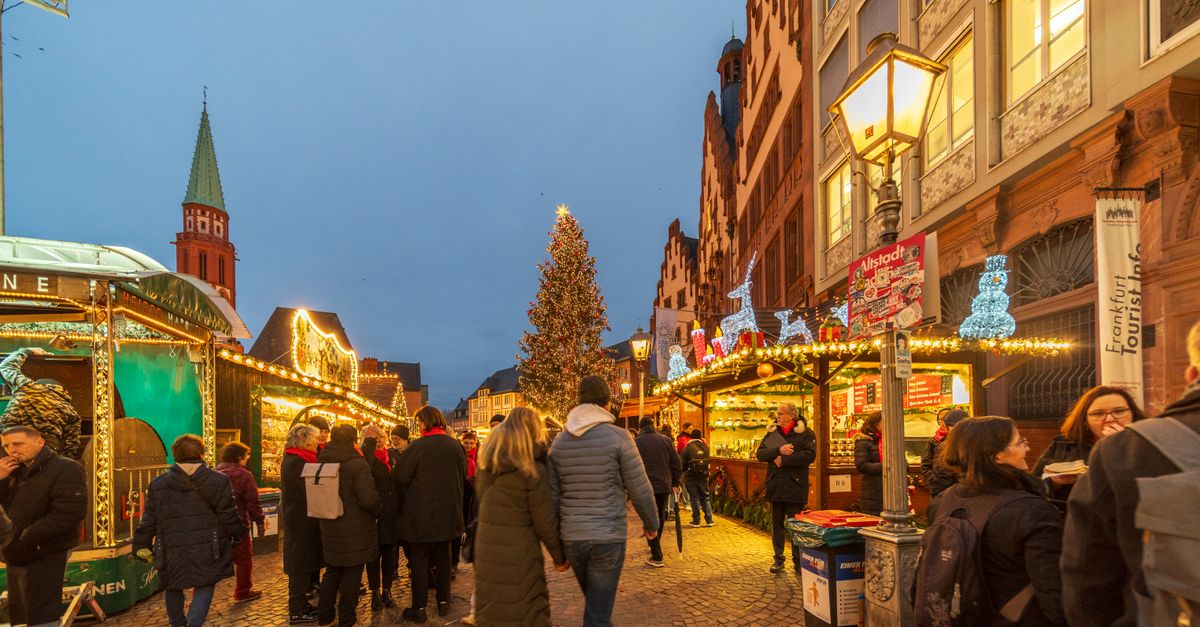
Late November and December for the Christmas market, which is one of the better ones in Europe and much cheaper than the German equivalents. Our ranked markets guide has the season and the closing dates.
January and February are properly cold, very cheap, and excellent for the museums.
Checked 21 Aug 2026.
Everything we check for Poland →We have not checked Poland against the five passports yet. The tool reads the Wikipedia article for yours and shows its own sentence, with the date it was last edited.
Short tourist stays only. Checked 21 Aug 2026; rules change without notice and the government page is the source of truth.
Check your own passport →Before you book
The cheapest European cities explains why Kraków tops that list, and Europe on a budget has the four decisions that set the number.
Prague or Budapest covers the neighbours if this is a central European loop, and the Christmas markets guide has the dates.
The itineraries hub collects the rest and the Poland country page has the practical layer.
Booking arrangements and entry rules checked September 2026 against the Auschwitz-Birkenau Memorial and Poland's national tourism organisation. The memorial's entry conditions, age guidance and free-entry hours change seasonally, so read its own page before booking. Here is how we research and re-check guides.