Where to stay in Kuala Lumpur
KL is a rail city with unwalkable gaps between the rail. Five areas, the RM10 tourist tax nobody quotes, and why the view room is usually a mistake.
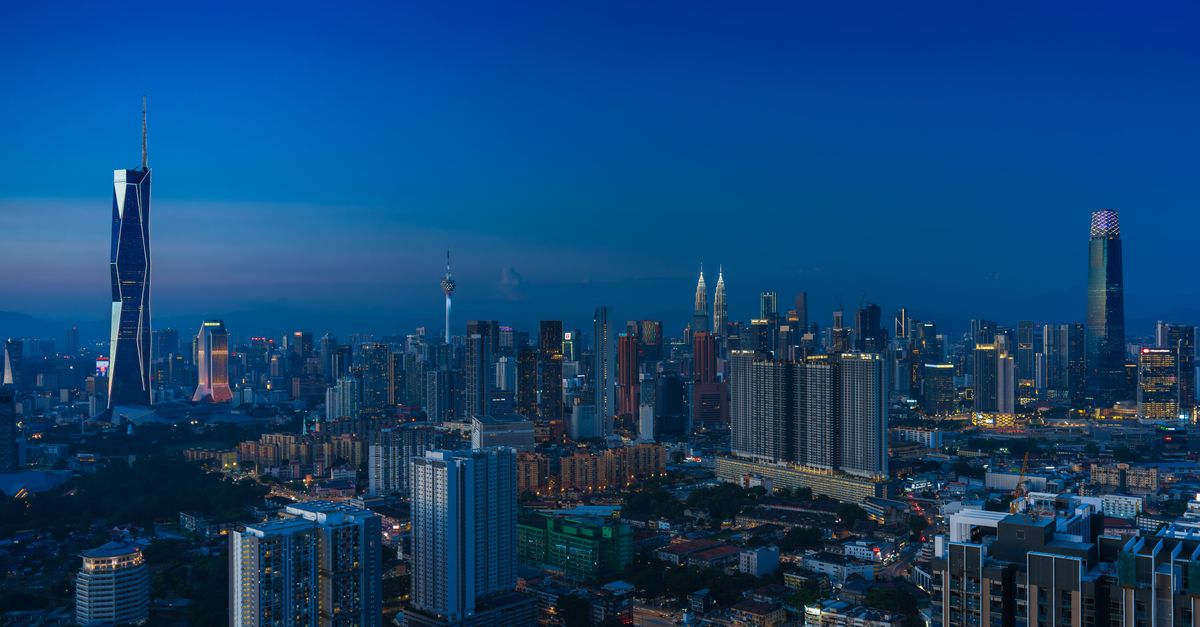
Photo · Mohammed Alim · Pexels
Kuala Lumpur is a rail city with unwalkable gaps between the rail, and picking an area is mostly about which gaps you are willing to cross.
First visit: Bukit Bintang. On the monorail, walkable to the night food, ten minutes from the towers. Cheaper and more interesting: Chinatown and Merdeka. Families: KLCC, for the park. Long stay: Bangsar or Mont Kiara.
Malaysian ringgit. Convert any figure on this page into your own currency at today's published rate.
Open the currency converter →The charge that is not in the rate you compared
Malaysia charges a flat tourism tax of RM10 per room per night, and it applies to foreign passport holders only. Malaysian citizens and permanent residents are exempt.
It is now collected consistently. The grace period for online booking platforms ended in December 2025, so it is charged either at booking through the platform or at check-in, and it is very rarely in the headline rate. The rule and the exemption are set out here.
Run it out: a fortnight is RM140 per room. Not a large number, and it is a number nobody quotes, and it turns up at the desk.
How the city fits together
KL is three centres and a lot of road.
Bukit Bintang is the shopping and eating district, on the monorail, with Jalan Alor's food street in the middle of it. KLCC, ten minutes east, is the Petronas Towers, the park and the mall. Chinatown and Merdeka, west, is the old city: the colonial core, Central Market, and the temples.
They are close together and awkward to walk between, because the links are elevated walkways, underpasses and six-lane roads. There is a covered walkway between Bukit Bintang and KLCC and it is a genuine ten-minute walk in air conditioning, which is the single most useful piece of KL geography.
The rail is good and the last stretch often is not. LRT, MRT, monorail and KTM all work and are cheap; the walk from the station to the hotel is where KL gets tiring, especially at 33 degrees.
The five areas
1. Bukit Bintang, for a first visit
Who it suits: almost everyone on a short trip.
What it costs: mid-range, with the widest choice in the city.
Why it works: on the monorail, walkable to Jalan Alor for the night food, connected to KLCC by the covered walkway, and dense enough that you can leave the hotel with no plan.
The catch: it is a shopping district, so it is busy and it is not characterful. Changkat, the bar street, is loud at the weekend.
2. Chinatown and Merdeka, for the better version of the same trip
Who it suits: anyone on a second visit, anyone who prefers old buildings to malls, anyone counting.
What it costs: below Bukit Bintang, and the hostel and boutique end here is the best value in the city.
Why it works: Petaling Street, Sri Mahamariamman temple, the Sin Sze Si Ya temple, Merdeka Square and the Masjid Jamek confluence are all here, and this is the only part of KL that reads as a historic city.
The catch: quieter at night than Bukit Bintang, and the immediate area around Petaling Street is tourist-priced.
3. KLCC, for the view and the park
Who it suits: families, for the park and the playground; anyone here on business; anyone for whom the tower view is the point.
What it costs: the top of the market.
Why it works: KLCC park is genuinely good, with a free splash pool for children, and the Suria mall underneath handles a rainy afternoon.
The catch, and it is the one to think about: the view room is usually a mistake. You cannot see the Petronas Towers from inside the Petronas Towers, and the hotels immediately at their base have the worst angle on them. The good view is from Bukit Bintang or further out, and it costs less.
4. Bangsar and Mont Kiara, for a long stay
Who it suits: anyone staying a month, remote workers, families with school runs.
What it costs: apartments are excellent by the month.
Why it works: Bangsar has the best neighbourhood eating in KL and a genuine local scene. Mont Kiara is the international district.
The catch: Bangsar is on the LRT; Mont Kiara is not on anything, and you will Grab everywhere.
5. KL Sentral, for a transit night
Who it suits: anyone with an early KLIA Ekspres, anyone moving on to Penang or Singapore by train.
What it costs: mid-range and predictable.
The catch: it is a transport interchange with hotels attached. There is nothing to walk to.
Where not to stay
Not near KLIA. The airport is a long way south and the express train is 28 minutes to KL Sentral, so there is no reason to sleep out there unless the flight is genuinely at dawn.
Not out along the LRT lines to the north-east to save RM40. The saving is real and the twice-daily journey is 40 minutes each way.
And be careful with "city centre" in listings. KL's centre is loosely defined and a hotel in Pudu or Imbi describing itself as central can be a fifteen-minute walk past a highway from the nearest station.
Getting in from the airport
KLIA Ekspres to KL Sentral, about 28 minutes, non-stop, the fastest and dearest.
KLIA Transit, same line with stops, slightly slower and cheaper.
Grab, about an hour depending on traffic, and competitive for two or more people once you split it.
The bus to KL Sentral is the cheapest and takes about an hour.
Whichever you take, you are not finished at KL Sentral. Add the onward leg to your area, which is monorail or Grab.
Checked 21 Aug 2026.
Everything we check for Malaysia →The two days, briefly
Day one: Merdeka Square and the old city in the morning, Central Market, Chinatown temples, then Bukit Bintang and Jalan Alor for dinner.
Day two: Batu Caves early on the KTM before the heat and the crowds, back for KLCC park and the towers in the late afternoon, and a rooftop for sunset.
A third day buys you Putrajaya, the Kuala Selangor fireflies, or a proper run at the food in Bangsar.
If KL is a stopover on a longer route, our Singapore stopover guide covers the same question for the other end of the peninsula, and the Southeast Asia packing list has the kit for this climate.
Visa-free · 90 days, on all five passports we check.
Short tourist stays only. Checked 21 Aug 2026; rules change without notice and the government page is the source of truth.
Check your own passport →Before you book
Where to stay in Singapore is the natural comparison at the other end of the train line, and the Singapore stopover guide covers the layover version.
Vietnam or Thailand puts the region in context, and the Southeast Asia packing list covers the heat.
The where to stay hub collects the rest and the Malaysia country page has the practical layer.
The tourism tax rate, exemption and collection change checked September 2026 against Malaysian tax guidance and Tourism Malaysia. The tax is per room per night rather than per person, which is unusual, so a family pays the same as a couple.