Nepal, if you've never been, starting with the permits
The TIMS card is no longer checked on the two big trails, which most guides still get wrong. The permits you actually need, the two seasons, and the costs.
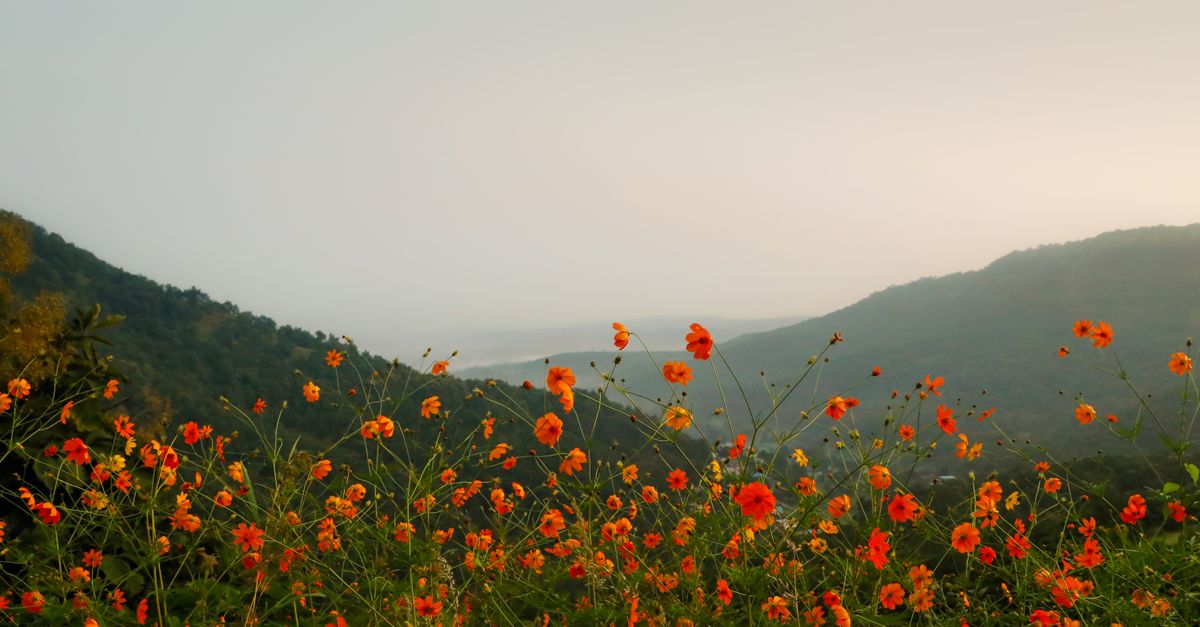
Photo · Ajay Lamichhane · Pexels
Most Nepal first-trip guides open with the TIMS card. Almost all of them are out of date, and starting there sends you to an office you no longer need to visit.
Here is what is actually checked, as of September 2026.
The permits, correctly
| Region | What you need | Cost |
|---|---|---|
| Annapurna (ABC, Poon Hill, Mardi, Circuit) | ACAP permit | 3,000 rupees |
| Everest (EBC, Gokyo) | Sagarmatha National Park permit | 3,000 rupees plus 13% VAT |
| Everest, additionally | Khumbu Pasang Lhamu municipality permit | 3,000 rupees, first four weeks |
| Langtang, Manaslu, far west | TIMS card, still required | 2,000 rupees |
The headline: TIMS is no longer enforced in the Everest or Annapurna regions. In Annapurna the ACAP permit is the one checked on the trail. In Everest the two permits above replaced it. TIMS survives in Langtang, Manaslu, the far west including Rara, and some restricted areas, where it is genuinely required.
So the real cost of trail paperwork is small: roughly 5,000 rupees for a standard Annapurna trek and roughly 6,000 for Everest Base Camp, checked September 2026 against the Nepal Tourism Board's permit information. Nationals of SAARC countries pay less and children under ten are generally exempt.
Nepalese rupee. Convert any figure on this page into your own currency at today's published rate.
Open the currency converter →One thing we cannot resolve for you. Nepal announced a requirement for a licensed guide on national-park trekking routes in 2023, and enforcement has been inconsistent and locally variable ever since. We have not been able to establish a single reliable answer that holds across every checkpoint, and we would rather tell you that than print a confident sentence. Ask your permit office on the day, and budget for a guide, because a good one is worth the money on the acclimatisation decisions alone.
The two seasons, and what each buys you
Nepal has two trekking windows and they are genuinely different products.
October and November: the views. The monsoon washes the atmosphere clean and it stays clean into the autumn, which makes these the two months with reliable high-mountain visibility. October is the busier; November is quieter and colder and the high passes get cold quickly from mid-month. Our November guide explains why the air is the argument.
March and April: the flowers. The rhododendron forests on both approaches are in bloom, days are warmer, and lodges are open. The trade is haze: the pre-monsoon dust builds through the season, so early April is clearer and late April has more flowers, and you do not get both. Our April guide has the detail.
Summer is the monsoon. Leeches, cloud, landslides on the roads, and no views. There is genuinely good trekking behind the Himalaya in Mustang and Dolpo in those months, and it is not a first trip.
Winter is cold and clear. Poon Hill and the lower Annapurna routes work in December and January; the high passes and Everest Base Camp are a serious proposition.
The shape of a first trip
Fourteen days, four parts.
- Kathmandu, a day and a half. Not more. Patan durbar square and Boudhanath at dusk are the two things worth the time, and the valley is better than the city.
- Pokhara, a day. Lakeside, and this is where the trek actually starts.
- The trek. Annapurna Base Camp or Poon Hill for ten days including buffer. Everest Base Camp for closer to fourteen, because the acclimatisation schedule is not optional and cannot be compressed.
- A spare day at the end. This is the one everybody skips and regrets. Lukla's flights are weather-dependent and cancellations are routine rather than exceptional. A trip with no buffer between the trek and the international flight is a trip with a missed international flight in it.
Kathmandu, honestly
A day and a half. The city is loud, dusty and hard work, its air quality in winter is poor, and the two genuinely great things in the valley are not in the tourist quarter.
Go to Patan rather than Kathmandu's own durbar square: the restoration work is better, the museum is one of the best in South Asia, and it is calmer.
Go to Boudhanath at dusk, when the stupa's circuit fills with people walking it, and the light is on the whitewash. It is the best hour in the valley, and the stupa is one of the seven monument zones inside the Kathmandu Valley world heritage listing, which is the useful map of what is actually worth the taxi.
Skip Thamel as a destination. It is a useful place to buy a duffel bag and a down jacket at a fraction of what you would pay at home, and it is not a reason to be in Nepal.
What it costs on the trail
Teahouse trekking works on a simple model: the room is cheap and the food is where the lodge makes its money, and both climb with altitude because everything is carried or flown up.
- A teahouse room on the Annapurna and Everest routes runs from a few hundred rupees at lower altitude, and lodges frequently expect you to eat there in exchange.
- Meals climb steeply with altitude. A dal bhat low on the Annapurna trail and the same dish at Gorak Shep are not remotely the same price, and the difference is the porter who carried it.
- Charging, wifi and hot showers are all extra, per use, and all get more expensive the higher you go.
Budget for the trail to cost more per day than Kathmandu does, which surprises people who came for a cheap country.
Three things to skip
Skip the one-day Everest scenic flight if the trek is already booked. It is a lot of money for an hour, and you are about to spend twelve days looking at the same mountains from underneath.
Skip the tight international connection. Covered above and worth repeating, because it is the single most common way a Nepal trip goes wrong.
Skip the cheapest possible trekking company. The saving is real and it comes out of the porter's wage, insurance and load limit. Ask what the porters are paid, what they carry, and whether they are insured. A company that cannot answer those three questions quickly is answering them.
Checked 21 Aug 2026.
Everything we check for Nepal →Entry to Nepal is normally a visa on arrival at Kathmandu for many nationalities, with fees banded by length of stay, and the detail depends on your passport.
Visa on arrival · 90 days, on all five passports we check.
Short tourist stays only. Checked 21 Aug 2026; rules change without notice and the government page is the source of truth.
Check your own passport →Before you book
April and November are the two months this trip should be built around, and the choice between them is flowers against visibility.
The first trips hub collects the rest and the Nepal country page has the practical layer.
Permit requirements and fees checked September 2026 against Nepal Tourism Board guidance and current operator reporting. Permit rules in Nepal have changed several times in recent years and enforcement varies by checkpoint, so confirm at the issuing office on the day.