The best time to visit Sri Lanka
Two monsoons hit opposite coasts, so there is no bad month and there is a wrong coast. The month table by region, and the two weeks to be careful with.
Photo · Thilina Alagiyawanna · Pexels
Sri Lanka has two monsoons hitting opposite coasts at opposite times, which means two things that most guides only half say.
There is no bad month to visit Sri Lanka.
There is a wrong coast in every month, and getting that backwards is the single most common planning mistake here.
Sri Lankan rupee. Convert any figure on this page into your own currency at today's published rate.
Open the currency converter →The two monsoons
The south-west monsoon, roughly May to September. Hits the west and south coasts and the hill country. So Colombo, Galle, Mirissa, Unawatuna, Ella and Nuwara Eliya are at their wettest.
The north-east monsoon, roughly October to January. Hits the east and north. So Trincomalee, Arugam Bay, Batticaloa and Jaffna are at their wettest.
And two inter-monsoon periods, in April and October, which are unsettled everywhere and are the two months to be careful with. The Department of Meteorology publishes the onset dates each year, and they move by a couple of weeks either way.
The cultural triangle in the middle, Sigiriya, Polonnaruwa and Anuradhapura, sits in a dry zone and is workable most of the year, with October and November its wettest stretch.
The month table
| Month | West and south | East and north | Hill country | Verdict |
|---|---|---|---|---|
| Jan | Dry, peak | Wet, easing | Dry, cool | Best for the south |
| Feb | Dry, peak | Drying | Dry, cool | Best for the south |
| Mar | Dry, hot | Dry | Dry | Good everywhere |
| Apr | Inter-monsoon, hottest | Inter-monsoon | Warm | The awkward month |
| May | Monsoon begins | East opens | Wet | The flip |
| Jun | Wet | Dry | Wet, misty | East only |
| Jul | Wet | Dry, peak | Wet | East only |
| Aug | Wet | Dry, peak | Wet | East only |
| Sep | Easing | Dry | Improving | East, last month |
| Oct | Inter-monsoon | Monsoon begins | Wet | The other awkward month |
| Nov | Improving | Wet | Improving | Mixed |
| Dec | Dry, season opens | Wet | Dry | South opens |
What this means for a real trip
December to March: the classic route. Cultural triangle, hill country, south coast. This is what almost every published Sri Lanka itinerary describes, and most of them do not say that it is season-specific. Our two-week route has both versions.
May to September: the same interior, finishing east. Arugam Bay for the surf, Trincomalee and Nilaveli for the beaches and the diving at Pigeon Island. The east coast in these months is what the south coast is in the winter, and it gets a fraction of the visitors.
April and October: go inland. The cultural triangle and the hill country are the sensible answer in both, and a fixed beach fortnight is not.
The hill country runs its own calendar
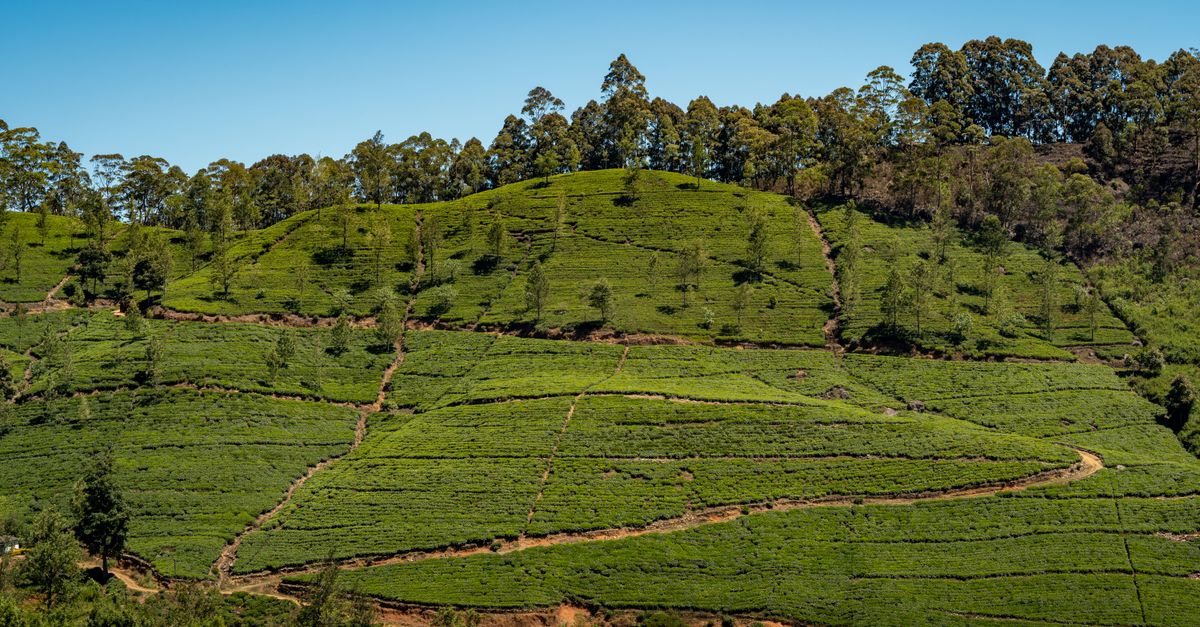
Kandy, Nuwara Eliya, Ella and Horton Plains sit at altitude and are cool all year, with genuinely cold nights in Nuwara Eliya from December to February.
January to March is the clearest, which matters for Horton Plains, where the World's End viewpoint clouds over by about nine in the morning most days and the whole point is to be there before it does.
The monsoon months are misty rather than washed out, which some people prefer for the tea country and which does ruin the views.
Events worth knowing
Sinhala and Tamil New Year, mid-April. The whole country stops for several days, transport fills, and many businesses close. It is a genuine cultural experience and it is not the week to be trying to move around.
Esala Perahera in Kandy, usually in July or August, is one of the great processions in Asia: elephants, dancers and fire, over ten nights. Dates move with the lunar calendar and the city fills.
Poya days, the full moon of each month, are public holidays. Alcohol sales are restricted and many shops close, which catches visitors out.
The practical layer, which the season affects
Whale watching follows the same pattern: December to April off Mirissa in the south, May to September off Trincomalee in the east.
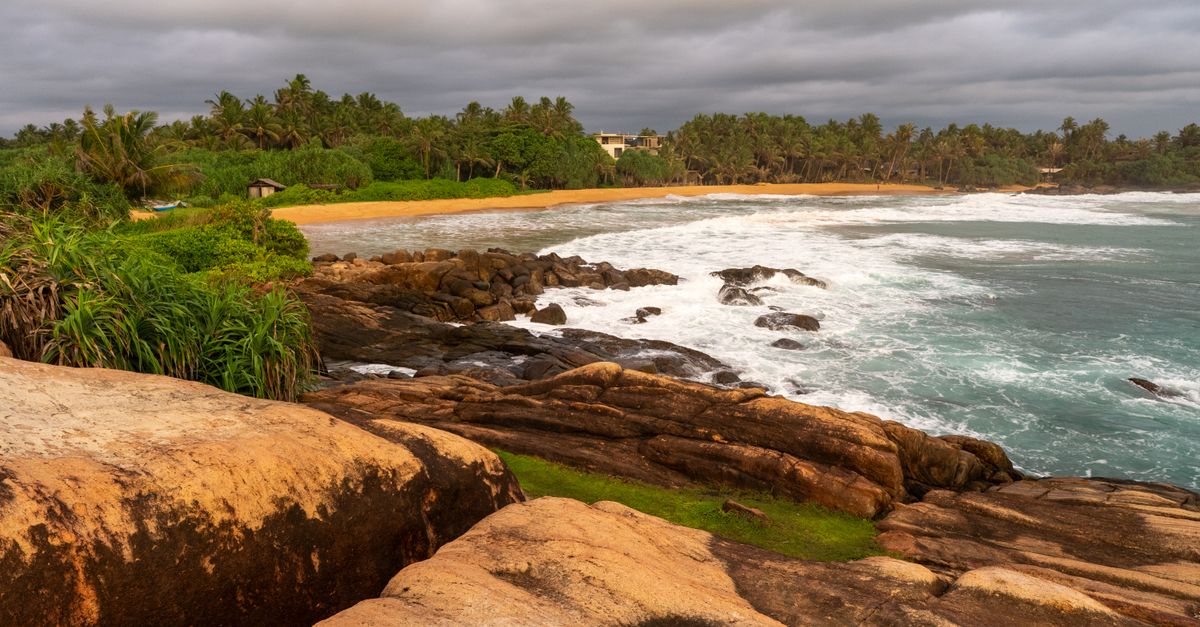
Sea conditions rather than rainfall are often the real constraint on a beach week. A wet-season coast is rough as well as wet, and the swimming is the part that goes first.
Prices follow the southern season, so December to March is peak on the south coast and genuinely good value on the east, and the reverse in July.
Checked 21 Aug 2026.
Everything we check for Sri Lanka →We have not checked Sri Lanka against the five passports yet. The tool reads the Wikipedia article for yours and shows its own sentence, with the date it was last edited.
Short tourist stays only. Checked 21 Aug 2026; rules change without notice and the government page is the source of truth.
Check your own passport →Before you book
The two-week Sri Lanka route has both seasonal versions and the ETA rule, which changed in May 2026.
The best time to visit India covers the neighbour, and our May guide explains the coastal flip.
The when to go hub collects the seasonal guides and the January month page rates the catalogue for the southern season.
Monsoon timings and event dates checked September 2026 against Sri Lanka's Department of Meteorology and Sri Lanka Tourism. Monsoon onset dates are climatological averages and shift by a few weeks year to year, and Poya and Perahera dates follow the lunar calendar.