Two days in Dubrovnik
The walls now cost 40 euro and two cruise ships a day set the crowd. Two days timed around both, when to walk them, and the cable car call.
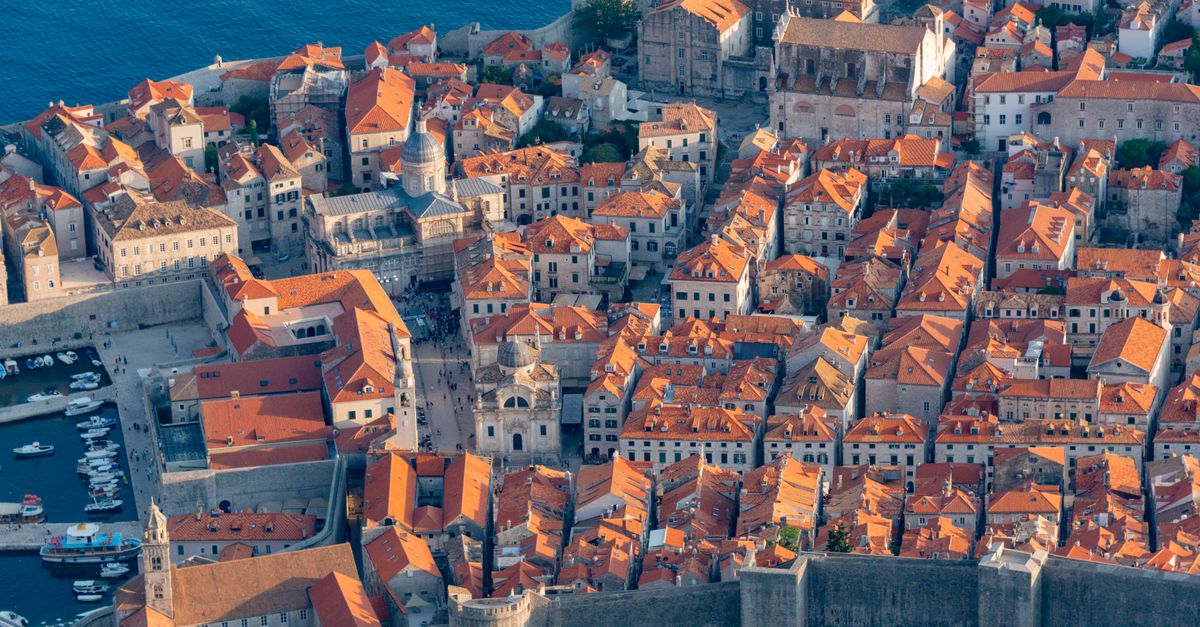
Photo · Diego F. Parra · Pexels
Two days is right for Dubrovnik, and both days should be timed around the same two things: the heat and the cruise ships.
The old town is at its best before nine in the morning and after seven in the evening. In between, on a two-ship day, it is a queue with a view.
Euro. Convert any figure on this page into your own currency at today's published rate.
Open the currency converter →What the walls cost, and when to walk them
The city walls are 40 euro for an adult in 2026, 15 euro for children aged 7 to 18, and free for under-sevens. The price has risen repeatedly and is now openly debated locally.
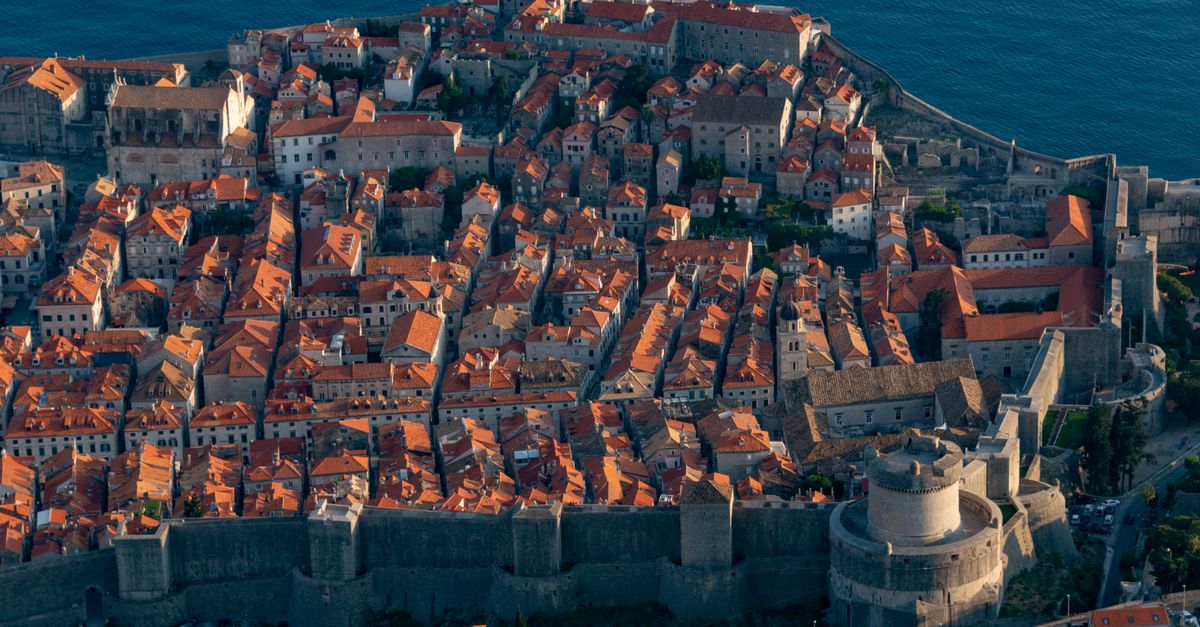
They are still the best thing in the city. A two-kilometre circuit on top of the fortifications, looking down into courtyards and out over the Adriatic, and there is nothing else quite like it in Europe.
Walk them at opening. The circuit has very little shade and a lot of steps, midday in July is genuinely punishing, and the early hour also puts you ahead of the cruise passengers.
The last two hours before closing are the other window, with better light and a smaller crowd.
Go anticlockwise from the Pile gate: it front-loads the climb and leaves the sea section for the second half.
The cruise clock, which sets the whole day
Dubrovnik caps arrivals at two cruise ships a day, with a limit of around 5,000 cruise passengers, and larger ships must stay longer so the arrivals spread out.
That is a genuine improvement on what it replaced, and on a two-ship day the old town is still very busy from mid-morning to late afternoon.
The practical version: check the port's published schedule before you fix your days, and put the walls and the Stradun on the lighter morning.
Day one: the old town
Early: the walls, as above. Two hours with stops.
Then the Stradun, the polished limestone main street, and the two ends of it: Onofrio's fountain at the Pile end, the bell tower and Orlando's column at the other.
Late morning: the Rector's Palace and the Franciscan monastery, which has one of the oldest working pharmacies in Europe, from 1317.
Lunch, then out of the sun. The War Photo Limited gallery is one of the best small museums in Croatia and its permanent exhibition on the 1990s wars is essential context for everything you are looking at.
Late afternoon: the cable car up Srđ.
The timing call: go up about ninety minutes before sunset. The queue is worst in the middle of the afternoon and again right at sunset, and the light on the red roofs in the hour before is the photograph everyone wants.
Evening: eat outside the walls. The old town's restaurants are priced for a captive audience. Ploče and the streets above the Banje beach are ten minutes away and materially better value.
Day two: the water
Morning: Lokrum. A fifteen-minute ferry from the old port to a wooded island with a monastery, a saltwater lake, botanical gardens and free-roaming peacocks. There is nowhere to stay and no cars, and the last boat back matters.
Or the Elafiti islands, three small islands north of the city with a boat that connects them. Šipan is the quiet one.
Afternoon: swim. Banje beach is the famous one and is a paid club at one end and free at the other. Sveti Jakov, twenty minutes east, is where locals go and has the best view back at the walled city.
Late afternoon: the Buža bars, cut into the sea-facing wall, reached through a hole in the stonework. Overpriced drinks and one of the great places to have one.
Evening: the Stradun after eight, when the day is gone and the stone is lit and the city is at its best.
If you have a third day
Montenegro's Bay of Kotor, about two hours south with a border crossing. Kotor's walled town is Dubrovnik at a third of the price and a fraction of the crowd, and the bay itself is the best coastal scenery in the Adriatic. Our Balkans route covers it properly.
Or Mostar, three hours north into Bosnia, which is a long day and a remarkable one.
Or the Pelješac peninsula for the wine and the oysters at Ston, which also has the second-longest defensive wall in Europe and almost nobody on it.
What we would skip
Skip staying inside the walls. It is the most expensive accommodation in Croatia, the old town has no cars so your bags come in on foot, and it is loud until late in summer. Ploče and Lapad are cheaper, quieter and ten minutes away, and Lapad has the beaches.
Skip the Game of Thrones tour unless you want it specifically. The locations are the same streets you are already walking, marked on a free map at the tourist office.
Skip the walls at midday in July. Covered above, and it is the single most common way to have a bad time in this city.
Skip Dubrovnik entirely in August if the budget matters. Split, Hvar or the Montenegrin coast do the same job for much less, which our Croatia and Greece comparison sets out.
When to go
May, June, September and early October. September is the best of them: the Adriatic is at its warmest, the cruise season is easing and the rates have started to fall. Our September guide makes the wider case and the Croatian calendar has the ferry timetable changes, which matter if the islands are in the plan.
July and August are hot, full and at maximum price.
Winter is very quiet, and a good number of restaurants and the cable car reduce their hours.
Checked 21 Aug 2026.
Everything we check for Croatia →Short tourist stays only. Checked 21 Aug 2026; rules change without notice and the government page is the source of truth.
Check your own passport →Before you book
The seven-day Croatia route shows where Dubrovnik sits in a country trip, and Croatia or Greece is the comparison if the coast is what you actually want.
The Croatian calendar decides the month, and our Balkans route covers the far better value an hour south.
The itineraries hub collects the rest and the Croatia country page has the practical layer.
Wall prices and cruise arrangements checked September 2026 against local reporting on the wall ticket and the Dubrovnik Port Authority. Wall opening hours change by season and the last entry is well before closing. Here is how we research and re-check guides.