Delhi
Two cities at once: Mughal lanes off Chandni Chowk where you walk single file, and the wide green avenues the British laid out to the south. The metro connects them and costs almost nothing.
Delhi in eight slides
Wikipedia · 3 Sep 2026


Things to do in Delhi
Where to stay in Delhi
Delhi in a day, two days, three
Landmarks in Delhi

Chandni Chowk is a street market square located in Old Delhi, India. One of the oldest and busiest markets in Delhi, the Mughal-era Red Fort straddles the eastern fringes of Chandni Chowk. It was built in 1650 by the Mughal Emperor, Shah Jahan, and designed by his daughter, Jahanara.
Wikipedia · CC BY-SA 4.0 · 9 Aug 2026
Goutam1962 · CC BY-SA 4.0

Humayun's tomb is the tomb of the Mughal Emperor Humayun located in Delhi, India. The tomb was commissioned by Humayun's first wife and chief consort, Empress Bega Begum, under her patronage in 1558, and designed by Persian architects Mirak Mirza Ghiyas and his son, Sayyid Muhammad, whom she personally chose.
Wikipedia · CC BY-SA 4.0 · 30 Aug 2026
Muhammad Mahdi Karim · GFDL 1.2

The India Gate is a war memorial located near the Rajpath on the eastern edge of the "ceremonial axis" of New Delhi. It stands as a memorial to 74,187 soldiers of the Indian Army who died between 1914 and 1921 in the First World War, in France, Flanders, Mesopotamia, Persia, East Africa, Gallipoli and elsewhere in the Near and the Far East, and the Third Anglo-Afghan War.
Wikipedia · CC BY-SA 4.0 · 20 Aug 2026
Incredible India Portal · CC0

The Masjid-i-Jehan-Numa, commonly known as the Jama Masjid, in Old Delhi area of Delhi, is one of the largest mosques in India. Its builder was the Mughal emperor Shah Jahan, between 1644 and 1656, and it was inaugurated by its first Imam, Syed Abdul Ghafoor Shah Bukhari. Situated in the Mughal capital of Shahjahanabad, it served as the imperial mosque of the Mughal emperors until the demise of the empire in 1857.
Wikipedia · CC BY-SA 4.0 · 24 Aug 2026
Bikashrd · CC BY-SA 4.0

Lodi Gardens is a city park situated in New Delhi. Spread over 90 acres (360,000 m2), it contains Muhammad Shah's tomb, the tomb of Sikandar Lodi, the Shisha Gumbad and the Bara Gumbad. These monuments date from the late Delhi Sultanate, during the Sayyid dynasty and Lodi dynasty.
Wikipedia · CC BY-SA 4.0 · 5 Jul 2026
Amaninder · CC BY-SA 3.0

The Qutb Minar, also spelled Qutub Minar and Qutab Minar, is a minaret and victory tower, built during the Delhi sultanate, and comprising the Qutb complex, a UNESCO World Heritage Site in Mehrauli, South Delhi, India. It was mostly built between 1199 and 1220, contains 399 steps, and is one of the most frequented heritage spots in the city.
Wikipedia · CC BY-SA 4.0 · 31 Aug 2026
Wasir kasab · CC BY 4.0

The Red Fort is a historic Mughal fort located in the Old Delhi area of Delhi, India. Serving as the main residence of the Mughal emperors, it was commissioned by Emperor Shah Jahan on the 12th of May 1639; the fort was constructed following his decision to shift the Mughal capital from Agra to Delhi.
Wikipedia · CC BY-SA 4.0 · 22 Jul 2026
PerSona77 · CC BY-SA 3.0
Chandni Chowk is a street market square located in Old Delhi, India. One of the oldest and busiest markets in Delhi, the Mughal-era Red Fort straddles the eastern fringes of Chandni Chowk. It was built in 1650 by the Mughal Emperor, Shah Jahan, and designed by his daughter, Jahanara.
Wikipedia · CC BY-SA 4.0 · 9 Aug 2026
Goutam1962 · CC BY-SA 4.0
Humayun's tomb is the tomb of the Mughal Emperor Humayun located in Delhi, India. The tomb was commissioned by Humayun's first wife and chief consort, Empress Bega Begum, under her patronage in 1558, and designed by Persian architects Mirak Mirza Ghiyas and his son, Sayyid Muhammad, whom she personally chose.
Wikipedia · CC BY-SA 4.0 · 30 Aug 2026
Muhammad Mahdi Karim · GFDL 1.2
The India Gate is a war memorial located near the Rajpath on the eastern edge of the "ceremonial axis" of New Delhi. It stands as a memorial to 74,187 soldiers of the Indian Army who died between 1914 and 1921 in the First World War, in France, Flanders, Mesopotamia, Persia, East Africa, Gallipoli and elsewhere in the Near and the Far East, and the Third Anglo-Afghan War.
Wikipedia · CC BY-SA 4.0 · 20 Aug 2026
Incredible India Portal · CC0
The Masjid-i-Jehan-Numa, commonly known as the Jama Masjid, in Old Delhi area of Delhi, is one of the largest mosques in India. Its builder was the Mughal emperor Shah Jahan, between 1644 and 1656, and it was inaugurated by its first Imam, Syed Abdul Ghafoor Shah Bukhari. Situated in the Mughal capital of Shahjahanabad, it served as the imperial mosque of the Mughal emperors until the demise of the empire in 1857.
Wikipedia · CC BY-SA 4.0 · 24 Aug 2026
Bikashrd · CC BY-SA 4.0
Lodi Gardens is a city park situated in New Delhi. Spread over 90 acres (360,000 m2), it contains Muhammad Shah's tomb, the tomb of Sikandar Lodi, the Shisha Gumbad and the Bara Gumbad. These monuments date from the late Delhi Sultanate, during the Sayyid dynasty and Lodi dynasty.
Wikipedia · CC BY-SA 4.0 · 5 Jul 2026
Amaninder · CC BY-SA 3.0
The Qutb Minar, also spelled Qutub Minar and Qutab Minar, is a minaret and victory tower, built during the Delhi sultanate, and comprising the Qutb complex, a UNESCO World Heritage Site in Mehrauli, South Delhi, India. It was mostly built between 1199 and 1220, contains 399 steps, and is one of the most frequented heritage spots in the city.
Wikipedia · CC BY-SA 4.0 · 31 Aug 2026
Wasir kasab · CC BY 4.0
From the airport
When to go to Delhi: Oct or Nov or Feb or Mar
Cool and dry across the north.
Guides about Delhi
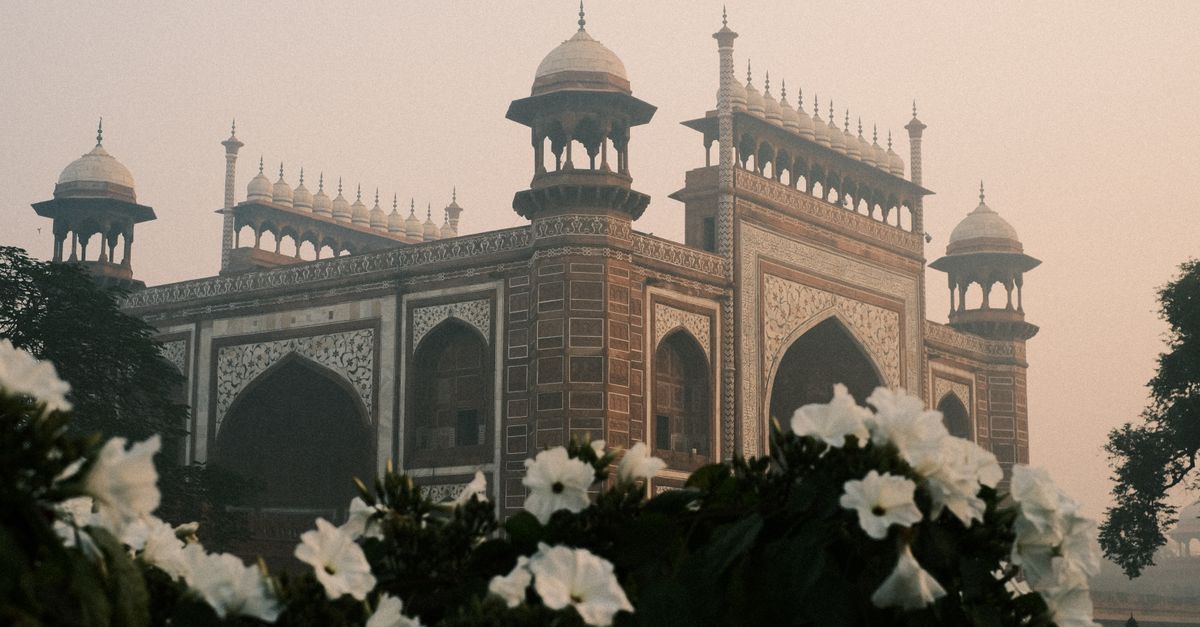
October to March is the standard answer and it hides a real problem. The monsoon by region, the Delhi air months, and a month table for many climates.
Arif Rahman · 2 Sep 2026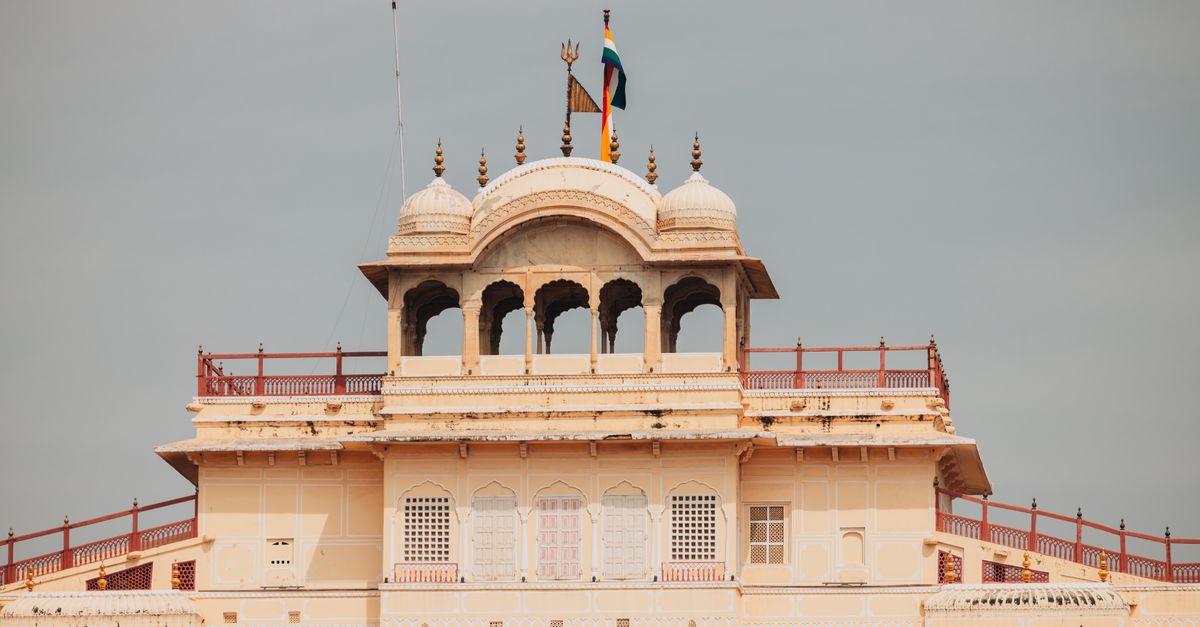
The first-trip mistake is covering too much ground in too little time. One region done properly, the air months nobody warns about, and what a day costs.
Arif Rahman · 2 Sep 2026