The Philippines' best islands, and what each one charges
Every island charges an entry fee nobody mentions, from 200 to 450 pesos. Six islands ranked, what each costs to enter, and the one to skip in peak season.
Photo · Ariel Raz · Pexels
Six islands, ranked, and each one with the entry fee that nobody puts in a budget.
Start with that, because it is the practical surprise. Most popular Philippine islands charge an environmental or terminal fee on arrival, in cash, and it is almost never mentioned until you are standing at the desk.
Philippine peso. Convert any figure on this page into your own currency at today's published rate.
Open the currency converter →What the islands charge
Checked September 2026:
| Island | Fee | Detail |
|---|---|---|
| El Nido, Palawan | 400 pesos | Eco-tourism development fee, valid 10 days |
| Boracay | 300 pesos plus 150 pesos | Environmental fee, plus terminal fee each way |
| Coron, Palawan | Around 200 pesos | Environmental fee |
Boracay's terminal fee is charged in both directions, so a return trip is 300 pesos of terminal on top of the 300 peso environmental fee. Individually small, collectively the sort of thing that catches a family of four out at a counter that only takes cash.
Carry small notes. These desks do not take cards and do not reliably have change, and the amounts are set locally rather than nationally, so the tourism department's regional pages are the closest thing to a single reference.
The thing we cannot show you
Palawan, Boracay, Siargao and El Nido are not cities in our catalogue. The Philippines gives us Manila, Cebu and Bacolod, and that is the honest extent of the room shelves in this guide.
Both Manila and Cebu are real parts of this trip rather than a substitution: almost every island route connects through one of them, and Cebu is the better of the two to spend a night in.
The six
1. El Nido and Coron, Palawan
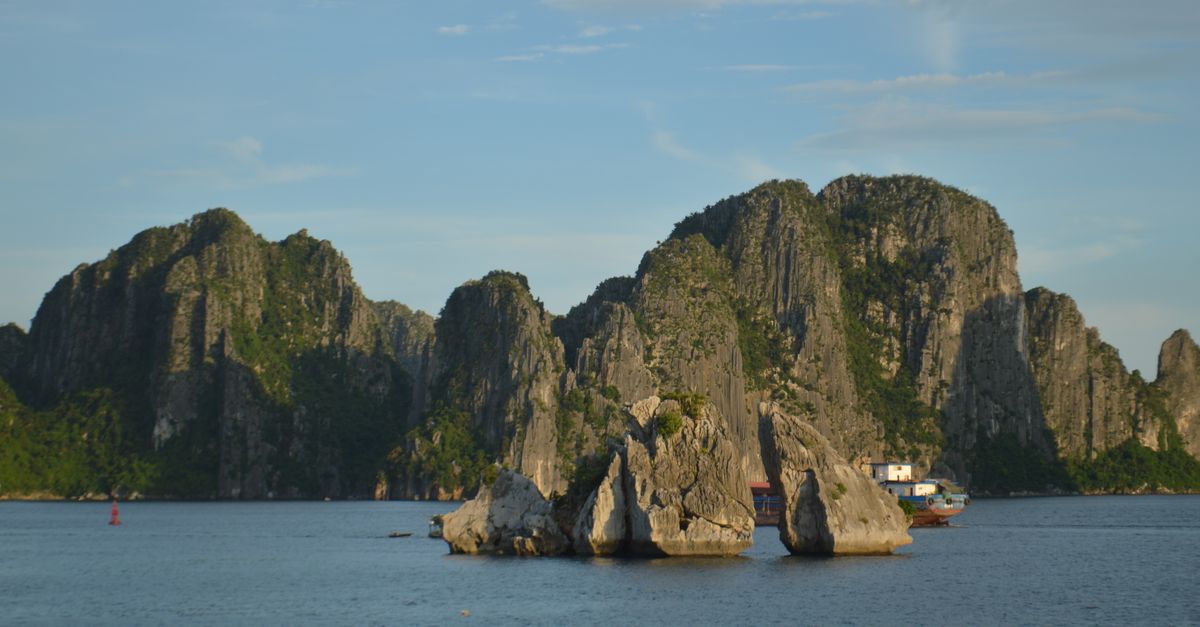
The reason people come. Limestone karst rising straight out of turquoise water, lagoons you enter through gaps in the rock, and a density of it that nowhere else in Southeast Asia matches.
El Nido runs standardised boat tours labelled A to D, which sounds depressing and is actually a sensible way of spreading the load. Tour C is the best one if you only do one, and going in the low season means fewer boats in the same lagoons.
Coron is the better of the two for wreck diving, over a Japanese fleet sunk in 1944 and sitting in reachable water, and Kayangan Lake is the clearest water in the country.
The catch: getting there. Both need a flight and El Nido needs a further five to six hour van transfer from Puerto Princesa unless you fly into its small airport.
2. Siargao, for surf and atmosphere
Teardrop-shaped, small, and the best atmosphere of any island on this list. Cloud 9 is the famous wave and there are a dozen others, plus the rock pools at Magpupungko and the lagoons at Sugba.
The season runs against the country's. Siargao's surf is best from about August to November, which is the general typhoon window, and its calm months are the country's dry ones. Decide which trip you want.
The catch: it has grown very fast since the 2021 typhoon rebuild, and the main strip is now busy in a way it was not five years ago.
3. Bohol, for a first trip
The easiest logistics on this list. Two hours by fast ferry from Cebu, no flight required, and a genuinely varied island: the Chocolate Hills, the tarsiers, the Loboc river, and Panglao's beaches attached to the side of it.
Best for a first Philippine trip because you can reach it without an internal flight, which removes the single biggest source of delay from the itinerary.
The catch: Alona Beach on Panglao is developed and ordinary. The island is much better than its main beach.
4. Cebu and Moalboal, for the value
Cebu island itself is under-rated because people treat it as an airport. The south end has the Kawasan canyoneering, the whale sharks at Oslob, which we would skip and explain below, and Moalboal's sardine run, a shoal of millions of sardines twenty metres off the beach that you can snorkel into from shore.
That last one is the single best value experience in the country: no boat, no tour, no fee beyond a mask.
5. Camiguin, the wildcard
An island of seven volcanoes about 15km across, with hot springs, cold springs, a sunken cemetery marked by a cross in the sea, and a white sandbar you take a boat to.
Almost nobody goes. It is reachable by ferry from Mindanao's north coast and it is the most content-per-kilometre island in the Philippines.
The catch: limited flights, and the wider Mindanao region has areas subject to travel advisories. Camiguin itself is not among them, and check your own government's current advice for the route you are taking.
6. Boracay, if a resort beach is what you want
White Beach genuinely is one of the great beaches in the world, and Boracay was closed for six months in 2018 for a rehabilitation programme that worked.
It is developed, it is busy, and it is very good at being what it is. If your trip is a beach and a sunset and somewhere to eat, this is the correct island and the rest of this list is not.
The catch: peak season, roughly December to May, is dense, and the fees above are the highest on this list.
What to skip
Skip the Oslob whale sharks. The animals are fed daily to keep them in one bay for tourists, which changes their migration and their behaviour, and the in-water experience is a queue of boats. Donsol in Sorsogon runs a non-provisioned encounter with wild whale sharks and is the better answer if it matters to you.
Skip a one-week two-island trip. Every island change is a flight or a ferry with genuine delay risk, and a week does not absorb one cancelled connection. One island plus a city is the honest shape of seven days.
Skip the last week of December and Holy Week. Domestic travel peaks, ferries and flights fill, and prices roughly double on the popular islands.
When to go
December to May is the dry season for most of the country, with March and April hottest and driest. Our April guide covers where else that month works.
June to November carries typhoon risk, highest from August to October, and that is a real planning constraint rather than a footnote: cancelled ferries strand people for days. The national weather bureau publishes live tropical cyclone bulletins, and in those months it is worth checking before every internal leg.
Siargao runs the other way, as above.
Checked 21 Aug 2026.
Everything we check for Philippines →Visa-free · 30 days, on all five passports we check.
Short tourist stays only. Checked 21 Aug 2026; rules change without notice and the government page is the source of truth.
Check your own passport →Before you book
The Thai islands ranking is the direct comparison most people are making, and Vietnam or Thailand covers the wider regional choice.
April is the driest month across most of the country, and the best of hub collects the rest. The Philippines country page has the practical layer.
Island entry and terminal fees checked September 2026 against the Philippine Department of Tourism and current local operator reporting. These fees are set by local government units and change without much notice, so carry more cash than the figures above suggest. Here is how we research and re-check guides.