Where to stay in New York
The tax adds about 15 per cent plus a nightly fee, and the Airbnb option mostly ended in 2023. Six areas, the subway rule, and where not to book.
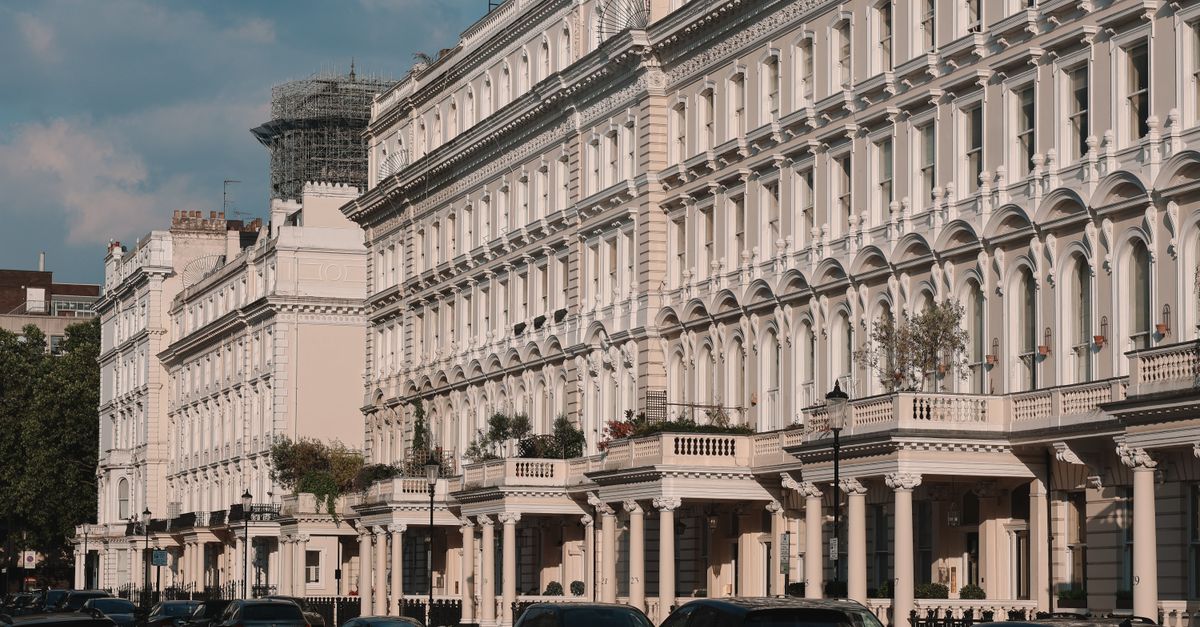
Photo · Sasha Zilov · Pexels
Two things decide a New York hotel booking, and neither is the neighbourhood.
The tax, which is about 15 per cent plus a nightly fee and is never in the headline rate.
The subway line, which matters more than the address.
Get both right and almost any of the areas below works.
US dollar. Convert any figure on this page into your own currency at today's published rate.
Open the currency converter →What a room actually costs
The taxes stack in layers, and the layers are published:
| New York State sales tax | 4% |
| New York City sales tax | 4.5% |
| Metropolitan Commuter Transportation District | 0.375% |
| NYC hotel room occupancy tax | 5.875% |
| Unit fee | about $1.50 per night |
That is an effective rate of roughly 14.75 per cent plus the nightly fee, checked September 2026. The state publishes the occupancy rules.
Run it out. A room advertised at $300 arrives at about $346 before anything else. Over four nights that is roughly $185 you did not budget for.
And then some properties add a "destination fee" or "facility fee" on top, typically $25 to $40 a night, for wifi and a gym you did not ask for. That one is avoidable: it is disclosed at booking if you look, and plenty of hotels do not charge it.
So compare all-in, not headline. It is the single most useful habit in this city.
The Airbnb question, which changed in 2023
Short-term rentals under 30 nights are effectively over in New York City.
Local Law 18 requires the host to be registered with the city, to have the property as their primary residence, and to be physically present in the home for the entire stay, with a maximum of two guests. Booking platforms must verify the registration before a booking under 30 nights can go through.
Practically: the whole-apartment short let is gone. What remains is essentially a spare room in someone's occupied flat.
Plan on a hotel, or on an aparthotel, which is a legitimate category here and is often better value for a family than two hotel rooms.
The subway rule
Express lines beat local ones and it is not close. The 4, 5 and 6 up the east side; the A, C and E on the west; the N, Q and R through the middle. Express trains skip most stations, so a 35-minute local journey becomes 15.
A hotel two blocks from an express station is worth more than a nicer hotel five blocks from a local-only stop. Check the line before the photographs.
The six areas
1. Midtown East and Murray Hill, for a first visit
Who it suits: first-timers, short trips, anyone who wants to be central and does not care about charm.
What it costs: the widest mid-range choice in Manhattan.
Why it works: Grand Central, the 4/5/6, walkable to the Empire State Building, Bryant Park and the MoMA, and a short ride to anywhere.
The catch: it is an office district. It is not beautiful and it is quiet on a Sunday.
2. Flatiron, NoMad and Chelsea, for the best balance
Who it suits: most people, honestly. Second visits, couples, anyone who wants to walk out to dinner.
What it costs: slightly above Midtown East.
Why it works: genuinely central without being in the office district. Madison Square Park, the High Line, Chelsea Market, Union Square, and the N/Q/R plus the 1 and the L.
The catch: nothing serious. This is where we would stay.
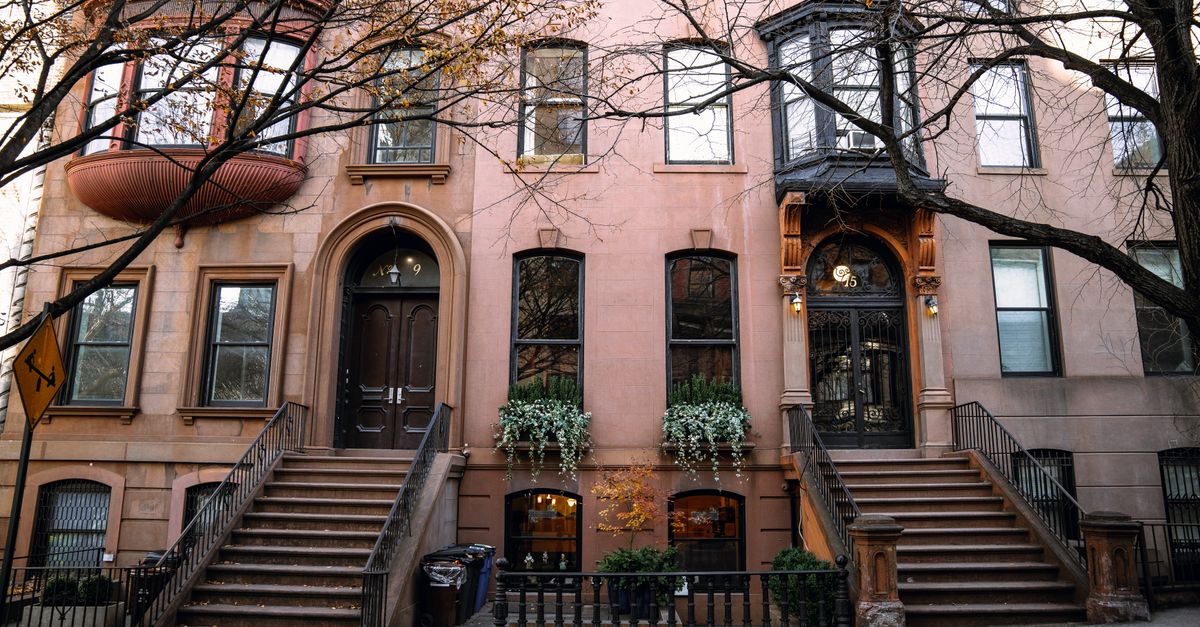
3. The West Village and Greenwich Village, for the nicest streets
Who it suits: anyone whose priority is being somewhere lovely.
What it costs: high, and the hotels are smaller.
Why it works: it is the prettiest part of Manhattan, the restaurants are the best in the city, and it is a real neighbourhood.
The catch: the subway here is patchier and mostly local, so getting uptown takes longer than the map suggests.
4. Lower East Side and East Village, for the nightlife and the value
Who it suits: younger travellers, anyone whose evening starts late.
What it costs: below the Village and Flatiron.
Why it works: the best bars and the most interesting cheap eating in Manhattan, plus the Tenement Museum, which is the single best museum in the city that nobody books.
The catch: the subway coverage on the far east side is thin and you will walk to the F or the J.
5. Long Island City and Downtown Brooklyn, for the money
Who it suits: anyone who wants a modern room with space at a real discount.
What it costs: meaningfully below Manhattan for a newer hotel.
Why it works: Long Island City is one stop from Grand Central on the 7 and has the best skyline view in the city from Gantry Plaza. Downtown Brooklyn is two stops from lower Manhattan and next to Brooklyn Heights and Dumbo.
The catch: one or two stops is genuinely fine. Anywhere further out is 30 to 45 minutes each way, which on a four-night trip is most of a day.
6. The Upper West Side, for families
Who it suits: families, and anyone here for the museums.
What it costs: below Midtown for more space.
Why it works: Central Park on one side, Riverside Park on the other, the Natural History Museum, and a residential calm that a family with young children will feel the benefit of.
The catch: it is 20 to 30 minutes from downtown, and it is quiet in the evening.
Where not to stay
Not in Times Square. It is the most expensive way to be in the least pleasant part of the city, it is crowded at every hour, and everything you want is elsewhere. Being near a theatre matters for two hours on one evening.
Not near either airport. JFK and Newark are both an hour from Manhattan and there is no version of this trip that improves by sleeping out there.
Not in a hotel with a "destination fee" you did not notice. Covered above.
And treat "steps from Times Square" and "in the heart of Manhattan" as meaningless. Check the cross-streets and the nearest express stop.
When to go
September to early November is the best stretch: warm, clear, and the city at its most itself. Late April to June is the other one.
Late November is the Thanksgiving week, which our Thanksgiving guide covers, and it is the busiest domestic travel week of the American year.
January and February are the cheapest months by a distance, and they are genuinely cold. If the budget is the constraint, that is where the saving is.
Checked 21 Aug 2026.
Everything we check for United States of America →Short tourist stays only. Checked 21 Aug 2026; rules change without notice and the government page is the source of truth.
Check your own passport →Before you book
Where to stay in London is the closest comparison on this site for a big expensive English-speaking city, and the same express-line logic applies there.
Our Thanksgiving guide has the fare-curve arithmetic for the American holiday weeks, and first trip to Europe is the other direction if this is a stopover.
The where to stay hub collects the rest and the United States country page has the practical layer.
Tax rates and short-term rental rules checked September 2026 against New York State's hotel occupancy bulletin and the city's short-term rental registration rules. Destination and facility fees are set by individual properties and are not a tax, so they vary and are negotiable in a way the tax is not. Here is how we research and re-check guides.