Long-haul carry-on essentials, ranked by what they actually fix
On a 20-hour flight the problems are dry air, bad sleep and swollen legs. What solves each one, in order, and the six things that earn no space at all.
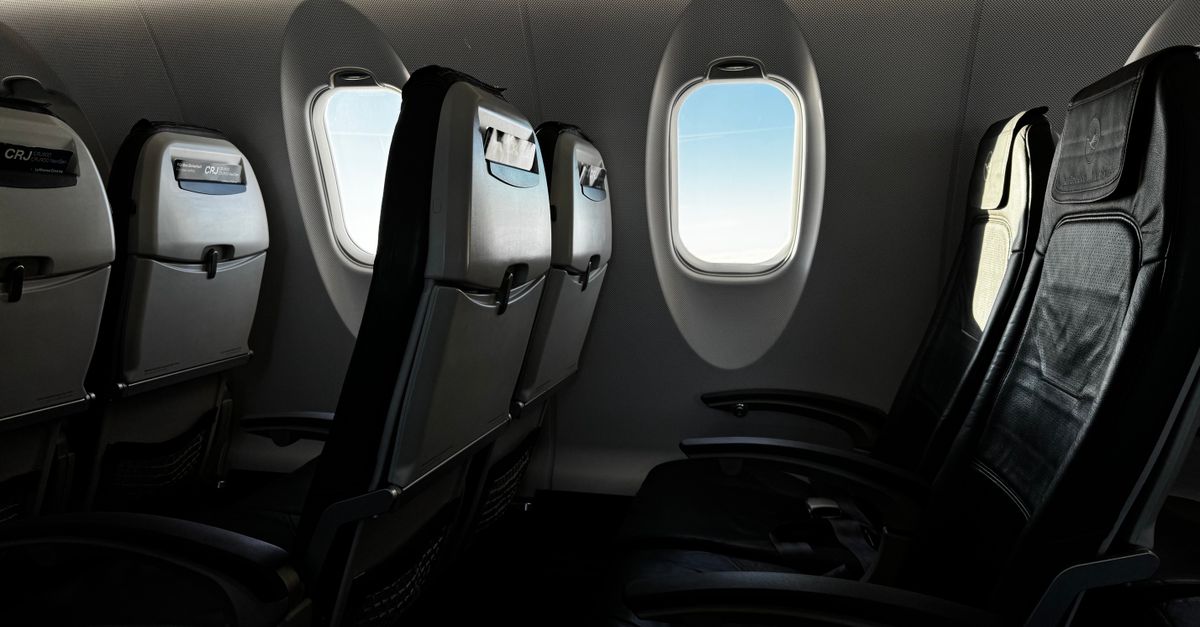
Photo · Thomas · Pexels
On a twenty-hour flight there are exactly four problems: dry air, bad sleep, swollen legs and boredom. Everything worth carrying solves one of them.
Most flight-essentials lists are a shopping list. This one is ordered by how much each thing actually changes the flight, which is not the order the shops put them in.
Tier one: the things that must be with you
These are not comfort items. They are the things that cannot go in the hold, or must not.
Medication, in original packaging, with the prescription. If the bag goes astray, this is the one thing that cannot be replaced at the destination on a Sunday.
A power bank. Not permitted in checked baggage on almost every airline, because of the lithium cells, so it travels with you by rule rather than by choice. IATA's passenger guidance sets out the battery limits, and several carriers have gone further and restricted using them in flight, so charge before you board.
Documents, cards and anything valuable. One card and a backup card, stored separately from each other.
One change of clothes. Underwear, a t-shirt, socks. This is the cheapest insurance against a delayed bag and it takes almost no space.
Tier two: the three that fix sleep
Sleep is the whole game on a long-haul flight and three cheap things address the three reasons people wake up.
1. Something that stops your head dropping forward. The classic horseshoe pillow does this badly, because it supports the back of a neck that is not falling backwards. The versions that work brace the chin or the sides. This is the single largest improvement available and it is the one most people get wrong.
2. A proper eye mask, with a nose seal. Cabin lights come up for service several times and the person beside you will open the blind. A mask that leaks light at the bridge of the nose does half a job.
3. Earplugs, or noise-cancelling headphones. Foam earplugs cost almost nothing and cut the constant engine roar that is quietly exhausting you. Headphones do it better and run out of battery.
What does not work: anything inflatable that requires you to be in a position economy does not allow, and any device that needs the seat in front to stay upright.
Tier three: the air, which is the real problem
Cabin air is drier than most deserts, and a great deal of what people call jet lag on arrival is straightforward dehydration.
An empty bottle, filled after security. The single most useful object in the bag. Ask the crew for refills rather than waiting for the trolley, which comes around far less often than you need it.
Lip balm and a small moisturiser, under the liquid limit.
Glasses instead of contact lenses, for the flight at least. Contacts in twelve hours of desert air are genuinely uncomfortable and it is a mistake people make exactly once.
Saline nasal spray, if you are prone to sinus trouble. Unglamorous and effective.
Tier four: the legs
Move every couple of hours. This does more than any product. Walk the aisle, and flex your ankles in the seat between walks.
Compression socks reduce swelling and are widely recommended for flights over about four hours, more strongly for anyone with existing risk factors. They are a supplement to moving, not a replacement for it, and if you have a medical history that makes this a live question, that conversation belongs with a doctor rather than a packing list.
Loose clothing and shoes you can get off. Feet swell at altitude and shoes that fit at the gate do not fit at hour fourteen.
The seat, which is worth more than any of the above
On a flight over about twelve hours, paying to choose a seat usually pays for itself, and the row matters more than the letter.
- Exit rows and bulkheads buy real legroom, and bulkheads often come with a
bassinet position, which is a consideration in both directions.
- The row in front of a galley or a toilet is the one to avoid. It frequently
does not recline, and it is busy and lit all night.
- Window for sleeping, aisle for moving. On a twenty-hour flight the aisle is
usually the better trade, because getting up matters more than leaning on something.
Our long-haul with children guide covers the version of this where the seat map is a much harder problem.
The six things that earn no space
A travel pillow that only supports the back of your neck. Covered above.
A full-size toiletry bag. The liquid rules now depend on which airport you depart from, which our carry-on list sets out in detail, and on a return trip you are bound by the stricter of your two airports.
A paperback you have not started. Take the one you are already reading.
A laptop, if you are not going to use it. It is the heaviest thing most people carry and on a night flight it stays in the bag.
Duty-free liquids bought at a connection, unless you check the onward airport's rules. A sealed bag from one airport is not always accepted at the next security screening, and this is a common and expensive surprise.
Sleeping tablets you have not taken before. A long flight in a confined space is a poor place to discover how a new medication affects you.
The arrival plan, which starts on the plane
Set your watch to the destination when you board and eat and sleep by it rather than by the cabin service schedule.
Skip one meal. On a twenty-hour flight you will be offered two or three and you are sitting still. Sleeping through one of them is worth more than eating it.
Get daylight on arrival. The single most effective thing for resetting a body clock, and it is free.
If the route involves a stopover, our Singapore stopover guide covers how to use a long layover rather than endure it, and the Southeast Asia packing list has the version of this bag for a hot arrival.
Before you book
The carry-on list is the general version of this guide, and the packing hub collects the rest.
The when to go hub decides the destination and the season, which changes what is in the bag more than the flight length does. Prices in our guides are quoted in each destination's own currency and the converter handles the rest.
Cabin baggage and lithium battery rules checked September 2026 against IATA's dangerous goods guidance for passengers and the UK Civil Aviation Authority's hand baggage rules. Airline policy on power banks has tightened recently and varies by carrier, so check your own airline before you fly. Nothing here is medical advice. Here is how we research and re-check guides.

