Croatia's digital nomad visa
The threshold is EUR 3,622.50 a month in 2026 and it is recalculated every year, which no other guide explains. The steps, the tax rule, and the catch.
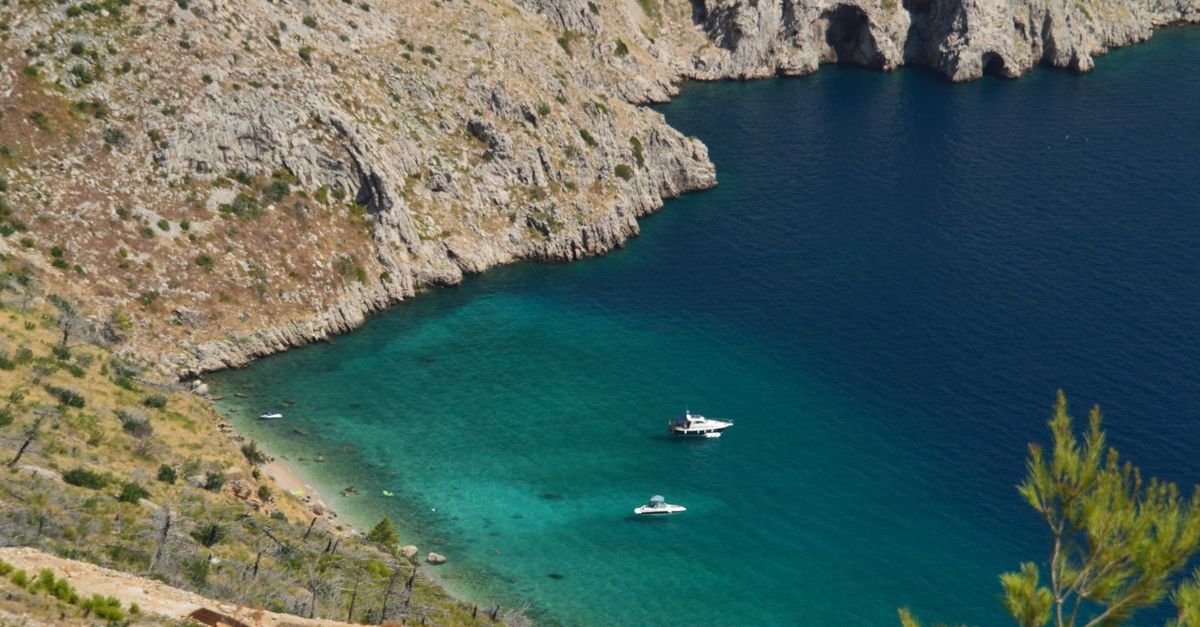
Photo · Vitalii Dobrianskyi · Pexels
The number for 2026 is EUR 3,622.50 a month, or EUR 43,470 in savings to cover the twelve months.
And the number moves every year, which is the thing no other guide explains and the reason so many published figures are wrong.
Euro. Convert any figure on this page into your own currency at today's published rate.
Open the currency converter →Why the threshold changes
Croatia sets the requirement at 2.5 times its own average monthly net salary from the previous year.
For 2026 that average was EUR 1,449, which produces the EUR 3,622.50 figure, updated in the official gazette in March 2026. The 2026 revision is documented here.
So the threshold rises as Croatian wages rise. Any guide quoting a figure from 2023 or 2024 is quoting a number that no longer applies, and the gap is several hundred euro a month.
Check the current year's figure before you build an application, and expect it to be higher again in 2027.
Who it is for
- Remote workers and freelancers working for companies or clients **outside
Croatia**. You may not work for a Croatian employer or take Croatian clients on this permit.
- Non-EU and non-EEA nationals. EU citizens do not need it and already have
free movement.
- Family members can be included, which is unusual and useful.
What you need
- Proof of income or savings at the current threshold. Employment contract,
client contracts, bank statements, or the savings figure.
- Proof of remote work outside Croatia: a contract, a letter from an
employer, or company registration documents if you work for yourself.
- Health insurance valid in Croatia for the whole stay.
- A criminal record certificate from your country of citizenship or
residence, usually issued within the last six months.
- Proof of accommodation in Croatia.
- A passport valid for at least three months beyond the intended stay.
The criminal record certificate is the long pole. It takes weeks in most countries and often needs an apostille. Start it first.
The tax position, and the honest caveat
The scheme was built around an exemption from Croatian income tax on foreign-earned income for permit holders, and that is its main attraction over the Greek and Spanish schemes, which tax you.
Two things that exemption does not do. It does not settle your liability where you already pay tax. And tax residence can be triggered by the time you spend in a country regardless of what your permit says, which is a different test from your immigration status.
We are not tax advisors and this is not tax advice. For a stay of this length, an hour with an accountant who knows both jurisdictions is the cheapest part of the whole exercise.
Short tourist stays only. Checked 21 Aug 2026; rules change without notice and the government page is the source of truth.
Check your own passport →The catch
The defining constraint has always been that you could not extend from inside Croatia. The permit ran up to a year, and then you left, waited, and applied again.
The rules have been revised more than once and some current sources describe a longer stay than the original twelve months. We are not going to print a number we cannot stand behind: check the current position with the Ministry of the Interior directly, because this is the specific term most likely to have moved since anything you are reading was written.
Where to actually live
Split is the nomad answer. Real city, year-round life, a coworking scene, the old town inside a Roman palace, and ferries to the islands.
Zagreb is the other one: cheaper, a proper capital, better in winter, and no sea.
Dubrovnik is not a base. It is expensive, it is seasonal, and our two-day guide explains what the cruise schedule does to it.
The islands are a summer proposition. Hvar and Korčula in July are wonderful and in January are largely closed.
The seasons, which matter more here than in most nomad countries
The coast empties from about November. Restaurants, ferries and whole towns run reduced or closed until Easter, and this is a much larger effect than in Portugal or Spain.
Split and Zagreb both work year-round. Everywhere else on this coast is a seasonal decision. Our Croatian calendar has the ferry timetable changes, which are the practical version of this.
Checked 21 Aug 2026.
Everything we check for Croatia →If you do not qualify
Greece at EUR 3,500 a month is slightly lower and taxes you, which our Greek guide sets out.
Portugal and Spain are the two big European schemes and both are covered: Portugal and Spain.
Estonia is higher at EUR 4,500, and the guide is here.
Or Georgia, which asks for nothing at all: many nationalities get a full year visa-free, which our Tbilisi guide covers and which is the most generous arrangement anywhere.
Before you book
The 2027 nomad visa roundup compares the field, and how to become a digital nomad has the method.
The Croatian calendar decides which half of the year you are planning for, and the seven-day route is the visitor version.
The nomad hub collects the rest and the Croatia country page has the practical layer.
Income thresholds and permit terms checked September 2026 against the 2026 revision reporting and Croatia's Ministry of the Interior. The threshold is recalculated annually and the permit terms have been amended more than once, so confirm both directly. Nothing here is immigration or tax advice. Here is how we research and re-check guides.