Costa Rica's digital nomad visa
USD 3,000 a month, USD 4,000 with dependents, one year renewable, and no local tax on foreign income. The steps, the import perk, and the honest downsides.
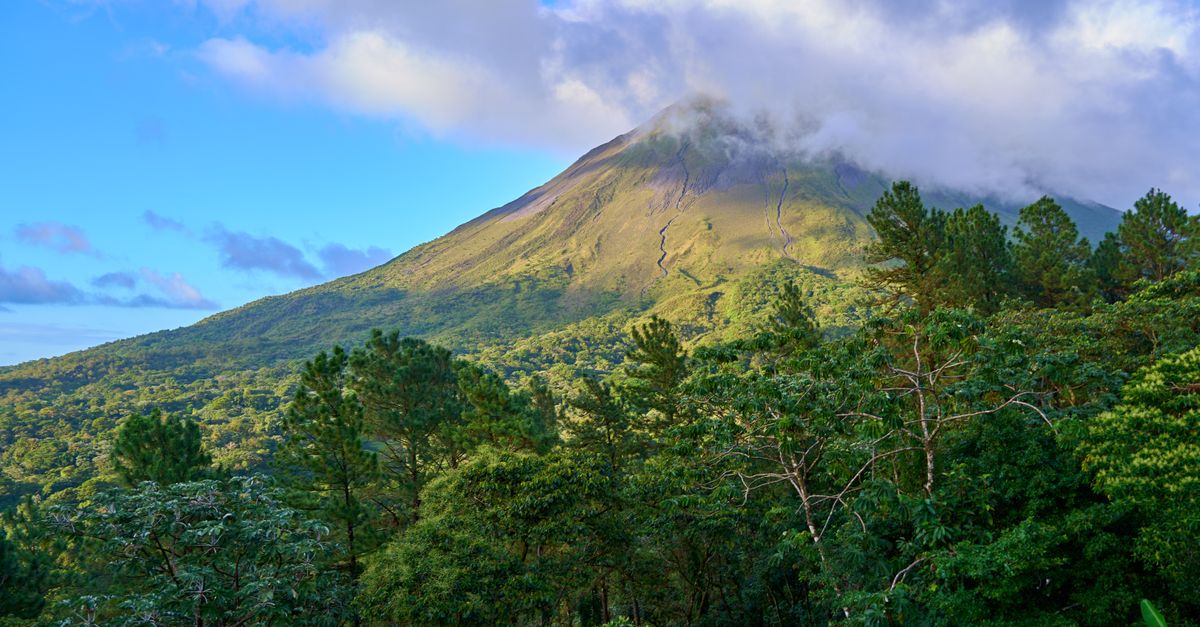
Photo · Gotta Be Worth It · Pexels
USD 3,000 a month, or USD 4,000 with dependents, evidenced over the twelve months before you apply.
One year, extendable to two, with no Costa Rican income tax on foreign earnings, and you can apply from inside the country after arriving as a tourist.
It is one of the more accommodating schemes anywhere. The caveats are about the country rather than the paperwork.
Costa Rican colón. Convert any figure on this page into your own currency at today's published rate.
Open the currency converter →The numbers
| Monthly requirement | |
|---|---|
| Single applicant | USD 3,000 |
| With dependents | USD 4,000 |
Costa Rica prices this in US dollars rather than colones, which is unusual among nomad schemes and has a real consequence: the threshold does not drift upward with local inflation the way Croatia's does, because it is not pegged to a local wage.
What you get
- One year, extendable by a further year.
- Exemption from Costa Rican income tax on foreign-earned income.
- Exemption from import duty on the equipment you bring for work, which is a
small perk and a genuine one if you travel with a serious setup.
- Your foreign driving licence is valid for the period of the permit, which
removes an ordinary friction.
- Dependents can be included.
The 180-day condition, which catches people
The extension requires that you were in Costa Rica for at least 180 days during the first year.
That is the detail to plan around. People treat a nomad visa as a flexible base and spend half the year travelling elsewhere, and then find the second year is not available.
If the plan is two years, the first year has to be a real year in Costa Rica.
What you need
- Twelve months of bank statements evidencing the income at the threshold.
- Proof of remote work outside Costa Rica: contracts, employer letter, or
company documents.
- Health insurance covering the whole stay in Costa Rica.
- The application and fees, filed with the immigration authority.
- A passport valid for the period.
The twelve-month bank statement requirement is longer than most schemes ask for, and it is the item to start collecting first if your income is recent or irregular. The immigration authority publishes the current document list, which is worth reading before you pay anyone to assemble it for you.
Visa-free · 180 days, on all five passports we check.
Short tourist stays only. Checked 21 Aug 2026; rules change without notice and the government page is the source of truth.
Check your own passport →The tax position
The exemption from Costa Rican income tax on foreign earnings is explicit in the scheme, and it is one of the two or three best tax positions among nomad visas.
It does not settle your liability where you already pay. And tax residence elsewhere can be triggered by time spent regardless of what a Costa Rican permit says.
We are not tax advisors and this is not tax advice.
Where to actually live
San José and the Central Valley. Where the infrastructure is: fibre, hospitals, the airport, coworking, and a temperate climate at altitude that people underestimate. Escazú and Santa Ana are where most long-stayers end up.
Tamarindo and the Guanacaste coast. The established expat and surf coast, dry season from December to April, and the most developed remote-work scene outside the capital.
Nosara and Santa Teresa. Smaller, more expensive than they look, and the roads to both are genuinely rough.
Puerto Viejo on the Caribbean side. Cheaper, a completely different culture, and it runs a different weather pattern from the Pacific coast, which our November guide touches on.
La Fortuna for the volcano and the interior.
The honest downsides
It is not cheap. Costa Rica is the most expensive country in Central America by a wide margin, and imported goods, cars and electronics are heavily taxed. People arrive expecting Latin American prices and find something closer to southern Europe.
The internet outside the developed areas is genuinely patchy. The country is mountainous, and a beautiful house forty minutes from a town may have connectivity that does not support a video call. Ask for a speed test from the specific property.
The roads. Distances that look short take a long time, and the road to a lot of the best places is unpaved.
And the two seasons matter. The Pacific dry season runs roughly December to April; the green season from May to November is much cheaper and much wetter, and September and October are the wettest months on that coast.
Checked 21 Aug 2026.
Everything we check for Costa Rica →If you do not qualify
Mexico has no dedicated nomad visa and a widely used temporary resident route with its own income test, and our Mexico City guide covers living there.
Colombia has a nomad visa at a much lower threshold, and Medellín is the city.
Or the European schemes, which our 2027 roundup compares.
Before you book
The 2027 nomad visa roundup puts this next to the European options, and how to become a digital nomad has the method.
Medellín and Mexico City are the regional comparisons.
The nomad hub collects the rest and the Costa Rica country page has the practical layer.
Income thresholds and permit conditions checked September 2026 against current scheme guidance and Costa Rica's immigration authority. The 180-day condition applies to the extension rather than the first year. Nothing here is immigration or tax advice. Here is how we research and re-check guides.


