Palembang
Sumatra's oldest city, capital of a maritime empire that ran the Straits for six hundred years. A red bridge over the Musi, and pempek eaten on the riverbank.
Palembang in eight slides
Wikipedia · 3 Sep 2026


Things to do in Palembang
Where to stay in Palembang
Palembang in a day, two days, three
- Day 23 stops
- Kuto Besak
- Sriwijaya Kingdom Archaeological Park
- Sultan Mahmud Badaruddin II Museum
Landmarks in Palembang

Ampera Bridge, formerly Bung Karno Bridge between its opening and the 1966 De-Sukarnoization campaign, is a vertical-lift bridge in the city of Palembang, South Sumatra, Indonesia. It connects Seberang Ulu and Seberang Ilir, two regions of Palembang. It can no longer be opened to allow ships to pass.
Wikipedia · CC BY-SA 4.0 · 24 May 2026
Gunawan Kartapranata · CC BY-SA 3.0

Zheng He Mosque, officially the Islamic Mosque of Mohammed Zheng He in Srivijayan Palembang, is a mosque dedicated to Muslim Chinese people located in Jakabaring Palembang, South Sumatra, Indonesia. The name of the mosque is in honor of the acclaimed Muslim Chinese admiral, Zheng He.
Wikipedia · CC BY-SA 4.0 · 30 Jul 2026
Firzafp · CC BY-SA 4.0

Geding Suro is a cemetery complex with the oldest history in Palembang, Indonesia. The complex, which is located at 3 ilir Palembang, is an Islamic cemetery from the mid-16th century with 8 buildings and 38 burials.
Wikipedia · CC BY-SA 4.0 · 4 May 2024
Nasional Okezone · CC BY-SA 4.0

Kuto Besak, also known tautologically in Indonesian as Benteng Kuto Besak, is an 18th-century kraton in Palembang, South Sumatra. Kuto Besak was the center of the Sultanate of Palembang before its abolition by the Dutch colonial government. The fort was constructed in 1780 and took seventeen years to complete.
Wikipedia · CC BY-SA 4.0 · 17 Jul 2026
Arisdp · CC BY-SA 3.0

Srivijaya archaeological park, formerly known as Karanganyar archaeological site, is the ancient remnants of a garden and habitation area near the northern bank of Musi river within Palembang vicinity, South Sumatra, Indonesia. Remnants of ancient man-made canals, moats, ponds and artificial islands discovered in this area suggests the site was related with a 9th-century settlement related to the Srivijaya empire.
Wikipedia · CC BY-SA 4.0 · 31 Jan 2025
Gunawan Kartapranata · CC BY-SA 3.0

Sultan Mahmud Badaruddin II Museum is a municipal museum in Palembang, Indonesia. The museum is established inside a 19th-century building former of the office of the colonial resident of South Sumatra. The building also houses the tourist department of Palembang.
Wikipedia · CC BY-SA 4.0 · 17 Jul 2026
fitri agung from Pekanbaru, Riau, Indonesia, Indonesia · CC BY 2.0
Ampera Bridge, formerly Bung Karno Bridge between its opening and the 1966 De-Sukarnoization campaign, is a vertical-lift bridge in the city of Palembang, South Sumatra, Indonesia. It connects Seberang Ulu and Seberang Ilir, two regions of Palembang. It can no longer be opened to allow ships to pass.
Wikipedia · CC BY-SA 4.0 · 24 May 2026
Gunawan Kartapranata · CC BY-SA 3.0
Zheng He Mosque, officially the Islamic Mosque of Mohammed Zheng He in Srivijayan Palembang, is a mosque dedicated to Muslim Chinese people located in Jakabaring Palembang, South Sumatra, Indonesia. The name of the mosque is in honor of the acclaimed Muslim Chinese admiral, Zheng He.
Wikipedia · CC BY-SA 4.0 · 30 Jul 2026
Firzafp · CC BY-SA 4.0
Geding Suro is a cemetery complex with the oldest history in Palembang, Indonesia. The complex, which is located at 3 ilir Palembang, is an Islamic cemetery from the mid-16th century with 8 buildings and 38 burials.
Wikipedia · CC BY-SA 4.0 · 4 May 2024
Nasional Okezone · CC BY-SA 4.0
Kuto Besak, also known tautologically in Indonesian as Benteng Kuto Besak, is an 18th-century kraton in Palembang, South Sumatra. Kuto Besak was the center of the Sultanate of Palembang before its abolition by the Dutch colonial government. The fort was constructed in 1780 and took seventeen years to complete.
Wikipedia · CC BY-SA 4.0 · 17 Jul 2026
Arisdp · CC BY-SA 3.0
Srivijaya archaeological park, formerly known as Karanganyar archaeological site, is the ancient remnants of a garden and habitation area near the northern bank of Musi river within Palembang vicinity, South Sumatra, Indonesia. Remnants of ancient man-made canals, moats, ponds and artificial islands discovered in this area suggests the site was related with a 9th-century settlement related to the Srivijaya empire.
Wikipedia · CC BY-SA 4.0 · 31 Jan 2025
Gunawan Kartapranata · CC BY-SA 3.0
Sultan Mahmud Badaruddin II Museum is a municipal museum in Palembang, Indonesia. The museum is established inside a 19th-century building former of the office of the colonial resident of South Sumatra. The building also houses the tourist department of Palembang.
Wikipedia · CC BY-SA 4.0 · 17 Jul 2026
fitri agung from Pekanbaru, Riau, Indonesia, Indonesia · CC BY 2.0
From the airport
When to go to Palembang: Jun or Jul or Aug or Sep
Guides about Palembang
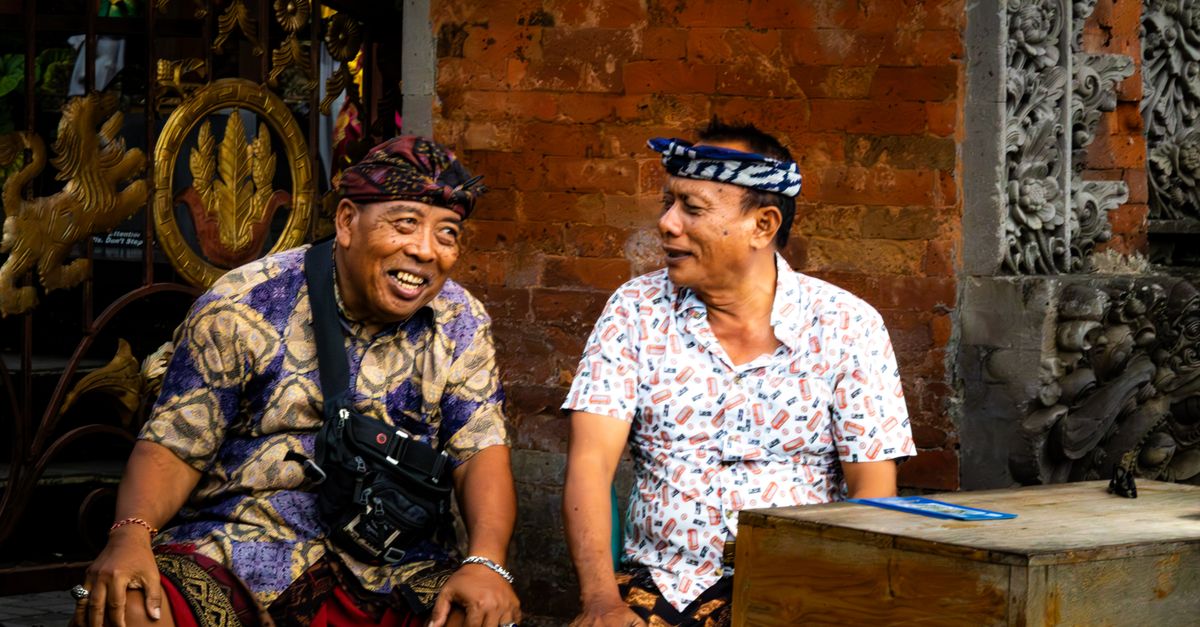
A careful week in Bali comes to about IDR 6,400,000 a head. Here is every line of it, the IDR 650,000 you pay before you eat, and the four false economies.
Hannah Weiss · 2 Sep 2026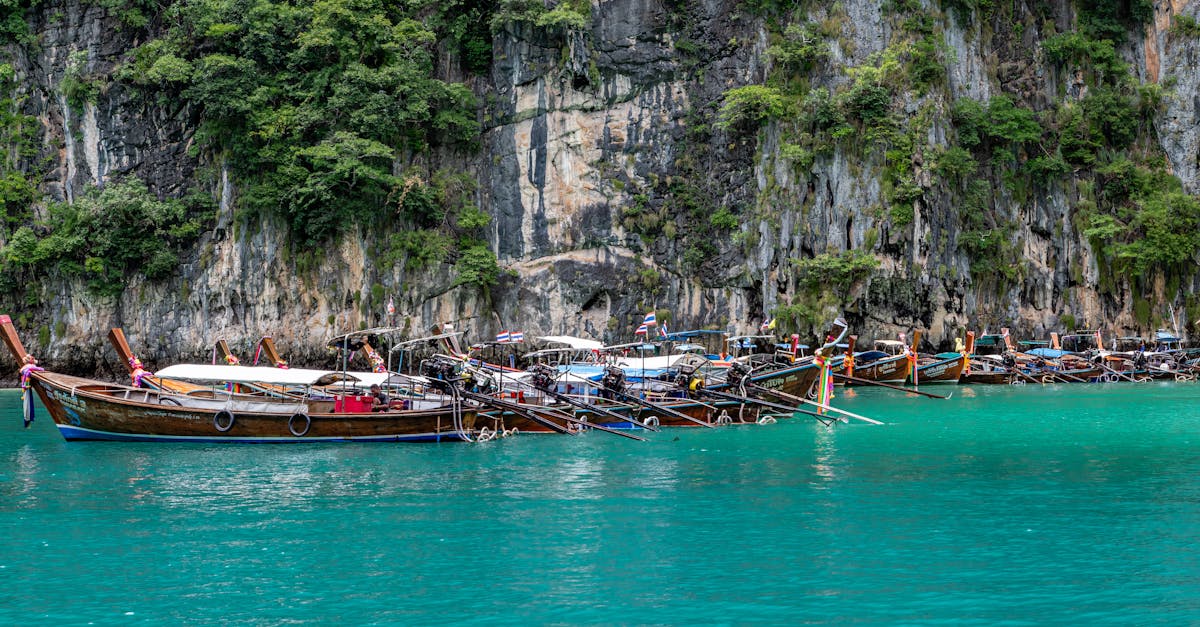
Bali is one island you settle into. Thailand is a country you move through, with two coasts on opposite monsoons. Six rounds, and what each actually costs.
Arif Rahman · 2 Sep 2026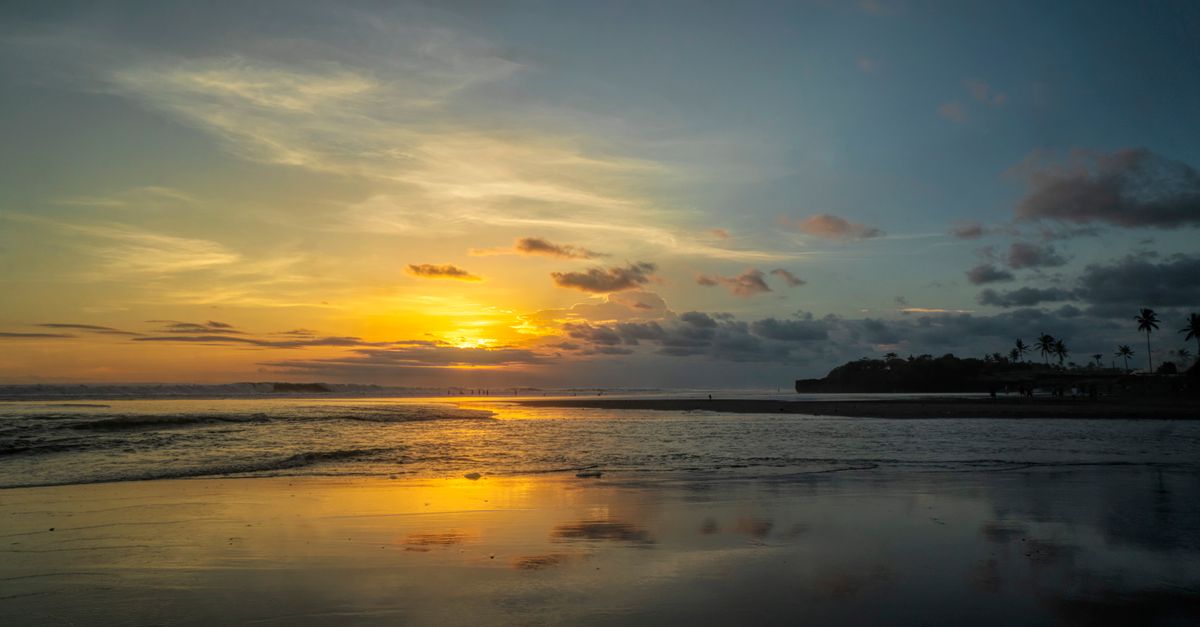
May, June and September. Why Bali's weather calendar and its crowd calendar are different, and why the wet season is world-class on the other coast.
Arif Rahman · 2 Sep 2026
Bali's remote worker KITAS asks USD 60,000 a year. What that changes, what Canggu and Ubud actually cost in rupiah, and the time zone nobody warns you about.
Tobi Adeyemi · 2 Sep 2026