The best time to visit India
October to March is the standard answer and it hides a real problem. The monsoon by region, the Delhi air months, and a month table for many climates.
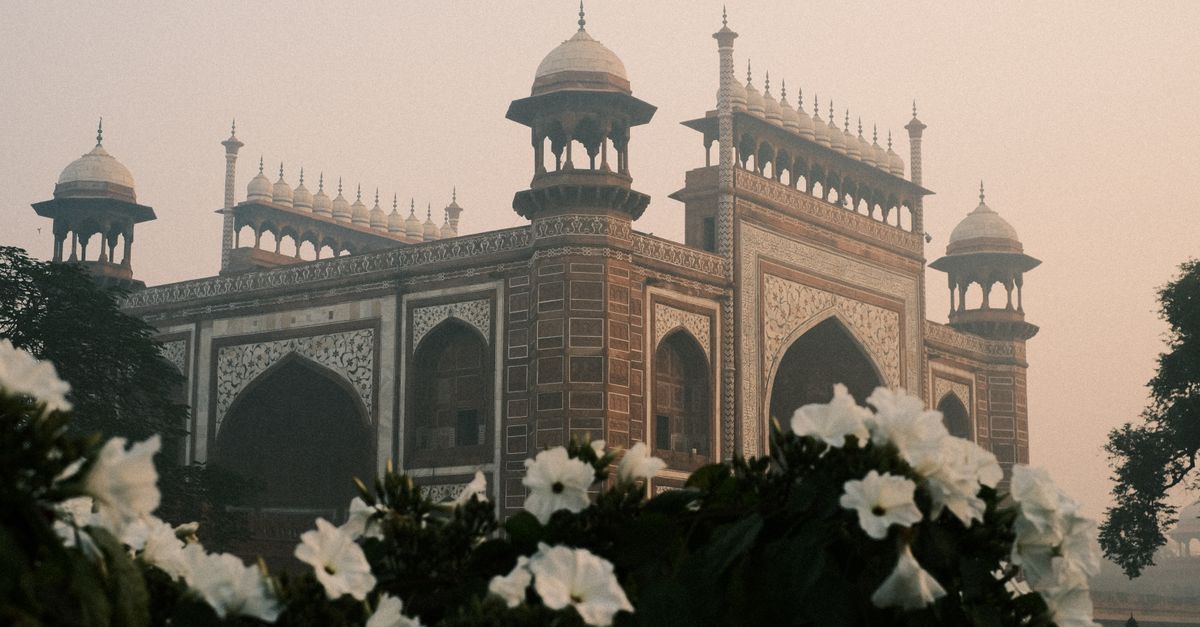
Photo · Daniel Clark · Pexels
The standard answer is October to March, and it hides a real problem in one of those months.
Our answer: December to March for the north, and roughly November to March for most of the rest.
The qualification is air rather than rain, and almost no seasonal guide gives it the weight it deserves.
Indian rupee. Convert any figure on this page into your own currency at today's published rate.
Open the currency converter →The air quality months, said plainly
Air quality across the Delhi plain is at its worst in late October and November, driven by post-harvest stubble burning across neighbouring states and a seasonal temperature inversion that traps it.
This is a health consideration rather than a comfort one. Readings in those weeks regularly reach levels that authorities describe as severe. India's own Central Pollution Control Board publishes the live index, and it is worth looking at before rather than after you book.
What we would do: in late October and November, treat Delhi as a transit rather than a stay. Fly in, go straight to Agra or Rajasthan, and come back through rather than spending three days in it. Rajasthan in those weeks is excellent and is far enough from the plain to be a different proposition.
December and January have their own Delhi problem, which is fog: it delays flights and trains, sometimes by many hours, and it is worth a buffer day in an itinerary with a fixed international departure.
The monsoon, by region
The south-west monsoon reaches Kerala at about the start of June and works north over roughly six weeks, covering most of the country by mid-July. It withdraws from September.
A separate north-east monsoon brings Tamil Nadu and the south-east coast their main rain from October to December, which is why Chennai's calendar does not match Mumbai's.
So the south has two coasts that disagree with each other, in the same way Sri Lanka does, which our Sri Lanka guide sets out.
The month table
| Month | North and Rajasthan | Kerala and south-west | Tamil Nadu | Himalaya |
|---|---|---|---|---|
| Jan | Cool, dry, best | Dry, warm | Dry | Snow, closed |
| Feb | Warm, dry, best | Dry, warm | Dry | Snow |
| Mar | Warming | Warm, dry | Hot | Opening |
| Apr | Hot | Hot | Very hot | Opening |
| May | Very hot | Pre-monsoon | Very hot | Good |
| Jun | Very hot, monsoon nears | Monsoon arrives | Hot | Ladakh opens |
| Jul | Monsoon | Monsoon | Dry-ish | Best for Ladakh |
| Aug | Monsoon | Monsoon | Dry-ish | Best for Ladakh |
| Sep | Withdrawing | Easing | Warm | Good, closing |
| Oct | Dry, air worsens | Good | Monsoon begins | Closing |
| Nov | Dry, worst air | Good | Monsoon | Closed |
| Dec | Cool, dry, fog risk | Best | Monsoon easing | Closed |
Season by season
December to February. The best months for the classic north Indian trip: Delhi, Agra, Rajasthan. Cool days, cold desert nights in Rajasthan, and the clearest air of the winter. Fog is the risk, not rain.
March to May. Progressively hotter, and by May the northern plains are genuinely punishing, regularly above 40 degrees. This is when the hills open, and Himachal, Uttarakhand and Ladakh become the reason to be in India at all.
June to September, the monsoon. Not a blanket no. Kerala's ayurveda season is deliberately in the monsoon, the landscape everywhere is at its greenest, prices fall sharply, and Ladakh and the high Himalaya are only accessible in these months, because they sit in a rain shadow behind the range.
It is a poor time for a first trip covering long distances by road, and a good time for a specific one.
October to November. Post-monsoon, clear in most of the country, and the air problem described above on the northern plain.
Festivals worth planning around
Diwali, in October or November depending on the year, is the biggest festival of the Indian calendar. Cities are extraordinary and also loud, smoky and crowded, domestic transport fills, and the air on the plain is worse for it.
Holi, in March, is spectacular and is a full-contact colour festival that some visitors love and others should deliberately avoid.
Both move with the lunar calendar, so check the dates for your year rather than assuming a month.
Pushkar's camel fair in Rajasthan, usually November, is one of the great gatherings in Asia.
What the season does to the money
December to February is peak in Rajasthan and the tourist north, and the heritage hotels price accordingly.
The monsoon is the cheapest, by a wide margin, and Kerala in particular discounts heavily.
The shoulder weeks that actually work are late February into March, and late September into early October before the air deteriorates.
Checked 21 Aug 2026.
Everything we check for India →eVisa · 30 days, on all five passports we check.
Short tourist stays only. Checked 21 Aug 2026; rules change without notice and the government page is the source of truth.
Check your own passport →Before you book
The best time to visit Sri Lanka covers the neighbour, which runs a similar two-monsoon pattern.
Our November guide has the honest note on Rajasthan and the Delhi air, and the Southeast Asia packing list covers the climate kit.
The when to go hub collects the seasonal guides and the January month page rates the catalogue for the best month here.
Monsoon onset and air quality patterns checked September 2026 against the India Meteorological Department and the Central Pollution Control Board's air quality index. Monsoon onset dates shift by a couple of weeks year to year and festival dates follow the lunar calendar, so confirm both for your year. Here is how we research and re-check guides.